Remove Mold From House Exterior Without Damaging Your Siding or Stucco
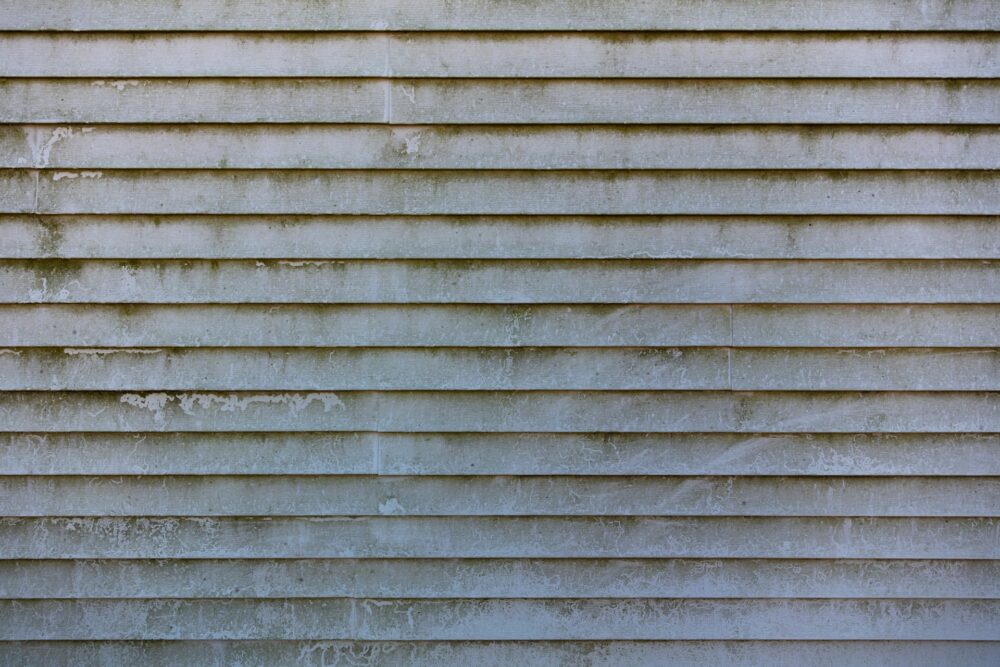
Green and black streaks show up fast on Central Florida homes. A wet summer can leave stucco looking gray under the eaves and vinyl siding coated with a dark film on the shady side. If you want to remove mold from house exterior walls, the key is to avoid scrubbing hard or blasting it off with high pressure.
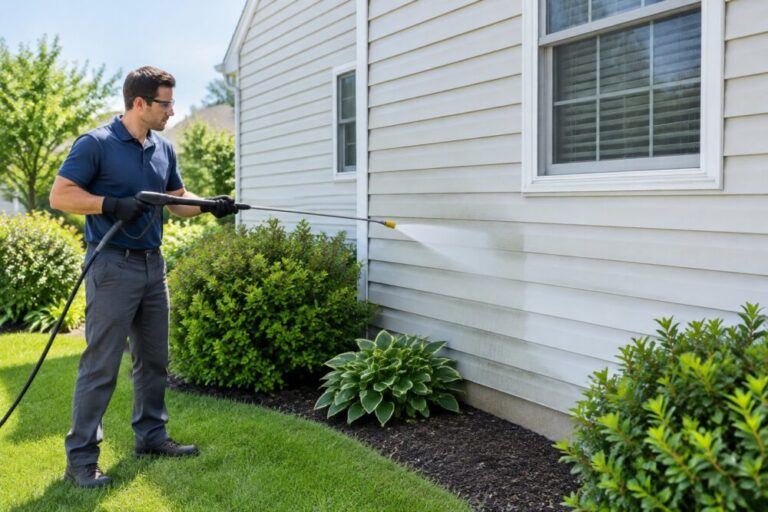
The safest way to clean mold off siding and stucco is a low-pressure soft wash: apply a surface-safe cleaner, give it time to work, and rinse gently. Low pressure protects paint, stucco texture, and siding seams. Concrete driveways are different. They can take higher pressure at the right setting.
Keep reading to find out what to check before you start, which method fits stucco, vinyl, and painted wood, and how to clean small spots safely. You will also learn why mold keeps coming back and when a professional house wash is the safer call. By the end, you should be able to decide whether to do the job yourself or hire it out.
What Should You Check Before Cleaning?
Before you spray anything, walk the full exterior with a notepad. Look for cracks, loose trim, and anything that needs to stay dry. This walk-around tells you which spots can handle water and which need extra care.
Look for Damaged Surfaces and Areas That Must Stay Dry
Water finds every gap. A hairline crack in stucco or a loose vinyl panel lets cleaning water get behind the wall, where it can sit for days. Run your hand along the siding and tap any stucco that sounds hollow.
Mark these spots before you clean:
- Cracked or chipped stucco, especially near windows and corners
- Vinyl panels that are loose, bowed, or missing clips
- Peeling or bubbling paint on wood trim and fascia
- Outdoor outlets, light fixtures, and exterior vents
- Dryer vents, garage door seals, and open windows
- Gaps around door frames and window trim
Damaged areas need a lighter touch or a repair first. Outlets and openings need to be covered or avoided.
Check How Far the Growth Has Spread
Mold that covers a few small patches is a different job from mold that coats a whole wall. Look under the eaves, on the north side, and anywhere trees or shrubs shade the house. Those spots stay damp longest.
Size matters for safety, too. The Florida Department of Health notes that a patch under roughly 10 square feet is something most people can handle themselves. Growth across full walls or second stories is a bigger project with more ladder work and more runoff.
Once you know where the damage is and how much growth you have, you can match the method to the surface.
Which Cleaning Method Fits Your Exterior?
Soft washing fits most home exteriors in Central Florida. It uses low water pressure plus a cleaning solution that breaks down mold, mildew, and algae. The solution does the work, so the water only needs to rinse.
Pressure washing has its place. Concrete driveways, walkways, and sidewalks are hard and dense, so they can take higher pressure at an appropriate setting. Even then, pavers need a lower-pressure approach to keep the joint sand in place.
Here is a quick guide by surface:
- Stucco: Soft wash. Low pressure protects the texture and the paint.
- Vinyl siding: Soft wash. Low pressure keeps water from getting behind the panels.
- Painted wood siding and trim: Soft wash with gentle rinsing. High pressure can strip paint and raise the wood grain.
- Brick and painted block: Soft wash. Low pressure protects mortar joints and painted finishes.
- Concrete driveways: Pressure washing at a setting the concrete can handle, plus spot treatment for oil and rust.
Why Low Pressure Matters for Stucco
Stucco is porous and full of tiny ridges. Mold grows down into that texture, so blasting the surface only knocks off the top layer. High pressure can also chip the finish, widen hairline cracks, and strip paint.
Stucco walls also hold water. Building scientists describe stucco over block as a “storage” wall that soaks up rain and dries out later. Forcing extra water into it with high pressure slows that drying. A soft wash lets the cleaner reach into the texture without driving water deep into the wall.
How to Protect Vinyl Siding From Water Intrusion
Vinyl siding is built in overlapping panels with small gaps behind them. Those gaps help rain drain out. A high-pressure spray aimed upward pushes water under the panel laps and into the wall.
Always spray vinyl from above or straight on, never from below. Keep the nozzle at a distance and use low pressure. High pressure can also crack brittle panels, pop them off their clips, or leave streak marks.
When Painted Wood Needs Extra Care
Painted wood is the most delicate surface on most homes. High pressure lifts loose paint, gouges soft wood, and leaves a fuzzy, raised grain. Water that gets under failing paint can also lead to rot.
Check wood siding, fascia, and trim for peeling before you clean. Use a soft brush and a gentle rinse on those areas. Bare or unfinished wood needs a cleaner made for wood, because some bleach products are not meant for it.
With the method chosen, the next step is the cleaning itself.
How Do You Clean Visible Mold Safely?
Small, reachable patches of mold can be cleaned with a garden hose, a soft brush, and a surface-safe cleaner. The process has three parts: protect what is around you, test your cleaner, then apply and rinse.
Protect yourself first. The CDC recommends at least an N95 respirator for mold cleanup, along with rubber or nitrile gloves and sealed goggles. People with asthma, mold allergies, or weak immune systems should not do this work.
Protect Plants, Outlets, and Openings
Soak nearby shrubs and grass with plain water before you start. Wet plants absorb less cleaner. Cover delicate plants with plastic sheeting, but remove it soon after so they do not overheat in the Florida sun.
Close every window and door. Cover outdoor outlets, light fixtures, and vents with plastic and painter’s tape. Keep any cords away from runoff, and never let a plug sit in standing water.
Choose a Surface-Compatible Cleaner and Test a Small Area
Your cleaner should match the surface. Common choices include:
- Diluted household bleach: Works on mold for painted stucco and vinyl. One bleach maker suggests ⅓ cup per gallon of water and warns against using it on unfinished wood or aluminum gutters.
- Oxygen bleach: A gentler option that many people pick for painted wood and areas near plants.
- Mild detergent and water: Good for light mildew and pollen film.
- Commercial house wash cleaners: Follow the label for the surface listed.
Never mix bleach with ammonia or acids. That mix creates a toxic gas. Test any cleaner on a hidden spot first and wait to see if the paint fades or the color changes.
Apply, Gently Clean, and Rinse Thoroughly
Wet the wall with your hose first. Apply the cleaner from the bottom up so it does not streak as it runs down. Work in small sections and keep each one wet for the time on the label.
Use a soft brush on stubborn spots. Then rinse from the top down with a gentle hose spray until the runoff is clear. Work in shade or early morning, since cleaner dries fast in direct sun. Rinse your plants again when you finish.
Cleaning removes the growth you see. Keeping it from coming back means looking at why it grew there.
Why Does Mold Return to Exterior Walls?
Mold comes back because the wall stays wet. Mold needs moisture to grow, and Central Florida homes get plenty from humidity, rain, shade, and sprinklers. Good moisture control slows regrowth, even if no cleaning keeps a wall clean forever.
If the same spot turns green again within weeks, look for a water source. Repeat growth in one area points to a problem you can fix.
Reduce Shade and Repeated Sprinkler Spray
Walls that never see sun dry slowly. Trim back shrubs and tree branches so air and light reach the siding. Keep plants at least a foot or two away from the wall.
Sprinklers are a common cause in Florida yards. Heads that spray the wall soak it every few days. Adjust or swap heads so water lands on the lawn and beds, not the stucco or siding.
Address Leaks and Water That Pools Near the House
Poor drainage keeps the bottom of a wall wet. Look for soil that slopes toward the house and gutters that overflow or dump water right at the foundation. Splashback from these spots feeds mold along the base.
Watch for streaks under windows and below roof edges. These often mean water is running down the wall in one path. Clear gutters, extend downspouts away from the house, and have damaged flashing or seals repaired.
Some homes have growth that is too high, too widespread, or too deep for DIY cleaning to handle safely.
When Is Professional House Washing the Safer Choice?
Hiring a pro makes sense when the job needs ladders, covers large areas, or involves damaged finishes. A professional crew brings soft wash equipment that reaches high walls from the ground and controls how much cleaner is used.
High Walls, Widespread Growth, and Hard-to-Reach Areas
Two-story walls, soffits, and gutter faces are hard to reach safely. Spraying cleaner overhead from a ladder puts it in your eyes and makes it easy to fall. Large areas also create more runoff that can harm your lawn.
A full Orlando house washing job covers siding, soffits, fascia, gutter faces, and trim in one visit. Landscaping gets rinsed before and after. That kind of coverage is hard to match with a garden hose and a brush.
Damaged Finishes or Stains That May Not Fully Lift
Cracked stucco, chalky paint, and loose siding need careful handling. Too much water or the wrong cleaner can make the damage worse. A pro checks for these spots first and works around them.
Some stains do not come out all the way. Mold that has grown deep into old stucco or bare wood can leave a shadow after cleaning. Rust and mineral stains from sprinkler water are a separate problem from mold. A good crew will tell you up front what is likely to lift.
Choose a Method That Protects Your Exterior
Mold on stucco, vinyl, and painted wood comes off safely with low pressure and the right cleaner. Concrete is the surface that can take more pressure. Small patches are a fair DIY project. High walls, large areas, and damaged finishes are safer to hand off.
If you want help, Essentials Pressure Washing has cleaned Central Florida homes since 2005. The family-run crew uses a soft wash on siding and stucco and matched pressure on concrete. You can view house washing and driveway services or pick your city:
- Orlando: pressure washing in Orlando and driveway cleaning Orlando
- Clermont: pressure washing in Clermont, soft wash house washing Clermont, and Clermont driveway cleaning
- Minneola: pressure washing Minneola FL, Minneola house washing, and Minneola driveway cleaning
You can find more exterior cleaning tips on the blog. When you are ready, call or text (407) 284-9438 with your address and what needs cleaning. You will get a free estimate with no obligation, and a callback the same day.
Frequently Asked Questions
Can I Remove Mold From My House Exterior Myself?
Yes, you can clean small, reachable patches yourself with a hose, a soft brush, and a surface-safe cleaner. Wear an N95 mask, gloves, and goggles. Leave second-story walls and large areas to a pro.
What Is the Best Cleaner for Mold on Siding?
Diluted household bleach works well on vinyl and painted stucco when used at the label strength. Oxygen bleach is a gentler pick for painted wood and areas near plants. Always test a hidden spot first.
Will Pressure Washing Damage Stucco or Siding?
High pressure can crack stucco, strip paint, and force water behind vinyl siding. A low-pressure soft wash cleans these surfaces without that risk. Higher pressure is better suited to concrete driveways and sidewalks.
Can Dark Stains Remain After Exterior Mold Cleaning?
Yes, some stains stay behind, especially on old stucco or bare wood where growth went deep. Rust from sprinkler water also needs a different treatment than mold. Results depend on how long the stain has been there.
How Can I Slow Mold Growth on the Outside of My House?
Keep your walls as dry as you can. Aim sprinklers away from the house, trim shrubs back for sun and airflow, and send gutter water away from the foundation. Regular gentle cleaning also stops buildup before it sets in.