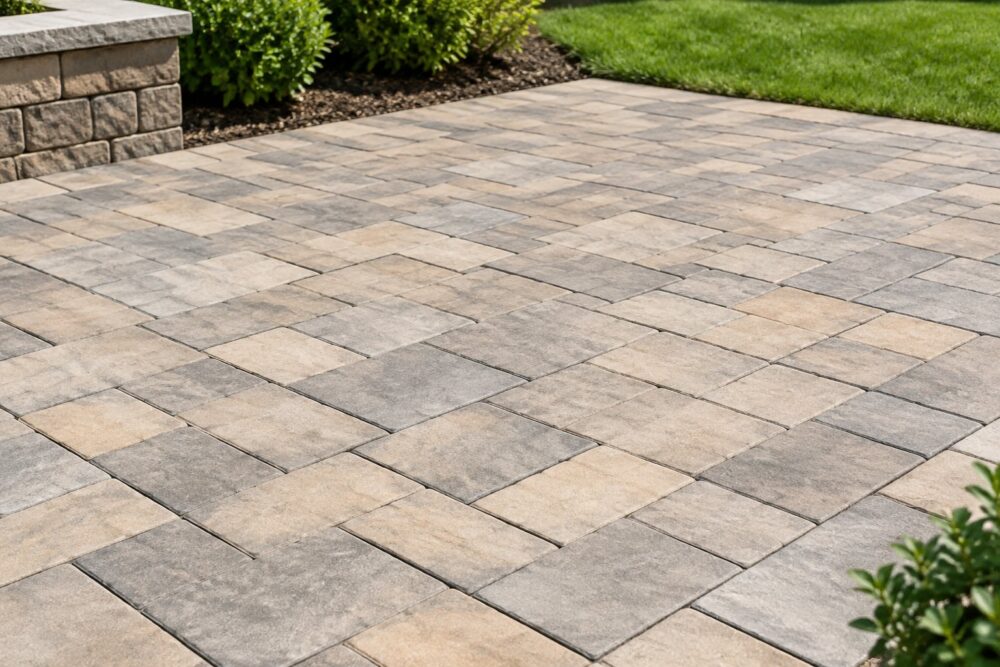
How to Clean Pavers So They Look New and Stay Locked in Place
Pavers are forgiving in a lot of ways. A cracked one can be swapped out, they handle Florida heat well, and they look great around a pool. Where they are not forgiving is cleaning. Hit them with the wrong nozzle and the sand between them sprays across the yard, weeds move in within weeks, and the stones start to rock underfoot.
How to clean pavers well comes down to three things: loosen the growth with a cleaning solution first, clean the surface with even, moderate pressure, and put back the joint sand that holds everything together. That last step is the one most people skip, and it is the reason a lot of paver patios look worse a month after a cleaning than they did before it.
Know What Your Pavers Are Made Of
“Pavers” covers several materials, and they do not all handle the same treatment.
Concrete pavers are the most common in Central Florida subdivisions. They are dense and tough and can take moderate pressure with the right equipment.
Travertine is natural stone, popular around pools because it stays cooler underfoot. It is softer and more porous than concrete, so it needs lower pressure and gentler cleaners. Acidic products can etch it.
Clay brick pavers are hard on the face but can spall if water is driven into a weak spot. Older brick walkways deserve a lighter touch.
Sealed pavers of any type have a coating on top. Strong cleaners and high pressure can cloud or strip that sealer, so it helps to know if yours were ever sealed.
If you are not sure what you have, look at a broken edge or a spare piece left in the garage. A concrete paver looks like fine sand and gravel packed together all the way through. Travertine shows natural banding and small pits and holes.
What Makes Pavers Dirty in the First Place
Algae and mildew. Shaded areas, the strip near the pool and anywhere the sprinklers reach turn green, then black. Growth also roots into the joints.
Weeds and grass in the joints. Wind-blown seeds settle into the sand and sprout, especially once some of the sand has washed away.
Ants. Fire ants and other species love sandy joints. Their mounds push sand up onto the surface and leave gaps behind.
Food, drink and grill grease. Patios and outdoor kitchens collect spills that soak into the surface.
White haze. A chalky white film, called efflorescence, comes from salts inside the concrete rising to the surface as moisture evaporates. It shows up most on newer concrete pavers and is not dirt, so scrubbing harder does not fix it.
How to Clean Pavers, Step by Step
1. Clear and Sweep
Move furniture, planters and grills. Sweep or blow off leaves and loose debris. Pull any large weeds by hand so their roots come out rather than just the tops.
2. Wet the Landscaping
Soak nearby plants and grass with plain water. A wet plant absorbs far less cleaning solution than a dry one.
3. Apply a Cleaning Solution and Let It Work
A cleaner suited to the paver material breaks down algae and mildew before any pressure is used. Let it dwell according to the product directions, and keep it from drying on the surface in direct sun. Wear eye protection and gloves when mixing and applying it. On a paver patio in Groveland, our crew applied a diluted solution with a surfactant and let it dwell for 15 minutes before cleaning, which let the growth release instead of being blasted off.
4. Clean the Surface Evenly
A surface cleaner, the round attachment that spins under a hood, cleans in flat, even passes and keeps water from shooting straight down into the joints. A hand wand held at a low angle works for edges and steps. Keep the tip moving and do not aim it straight into the gaps.
Pressure washing pavers too close or too hard causes three problems: it blows out the joint sand, it can scar the paver face, and on travertine it can pit the stone.
5. Rinse and Let Everything Dry
Rinse the cleaner and loosened grime off the pavers and away from the pool. Then let the surface dry completely, usually a full day in good weather. Sand will not settle properly into damp joints.
6. Re-sand the Joints
Once the pavers are dry, sweep joint sand back into every gap. With polymeric sand, most bags call for filling to just below the paver’s beveled top edge rather than flush with the surface, then compacting so the sand settles before topping up. Polymeric sand contains a binder that hardens after it is lightly misted with water. It resists washout and makes it harder for weeds and ants to settle in. Blow every loose grain off the paver faces before misting, and follow the bag on how much water to use, because too much water or leftover sand on top can leave a haze that is hard to get off.
7. Consider Sealing
Sealing is optional. A sealer can deepen the color, make spills easier to clean and slow down growth. It also needs to be reapplied every few years, and the wrong product can turn cloudy in humid weather. Wait until the pavers and joints are fully dry before sealing.
What to Do About Efflorescence
If you see a white chalky film after cleaning, it may be efflorescence rather than leftover cleaner. On newer pavers it often fades on its own over the first year or two as the salts work their way out. Specialty efflorescence cleaners exist for stubborn cases on concrete pavers, but they are acidic. Test them on a spare paver or hidden corner first, since they can lighten colored concrete, and keep them off travertine and other natural stone entirely, because acid etches it. Pressure alone will not remove efflorescence.
How Often Pavers Need Cleaning
In Central Florida, most paver patios and pool decks benefit from a cleaning once a year. Shaded areas, pavers near lakes and pool decks with lots of splash may need it more often. Between cleanings, a few habits help:
- Blow leaves off weekly so they do not stain or break down in the joints
- Point sprinkler heads at the lawn, not the patio
- Wipe up grill grease and spilled drinks quickly
- Top up joint sand where you see gaps forming
Big Patios and Travertine Are Worth Handing Off
A small paver walkway is a reasonable weekend project. Large patios, pool decks wrapped around a screen enclosure, travertine and anything that will be sealed afterward are where a professional crew earns its keep, mostly because they know how much pressure each material can take and how to keep the sand in place.
Essentials Pressure Washing assesses each patio before choosing a cleaning method and offers gentler alternatives when pressure would be too harsh. Paver cleaning is part of our patio washing service, and it pairs well with driveway washing if your drive is pavers too. If green growth is your main complaint, our guide to green algae on concrete explains why it keeps coming back. We work across Central Florida, including Groveland and Clermont.
To book a look at your patio or pool deck, call (407) 284-9438. Estimates are free and come with no obligation.
Frequently Asked Questions
Is It OK to Pressure Wash Pavers?
Yes, with the right setup. Moderate pressure through a surface cleaner works on concrete pavers. Travertine and older brick need lower pressure. Holding a narrow tip close to the joints will blow out the sand and can damage the surface.
Do I Need to Re-sand Pavers After Cleaning?
Almost always. Cleaning removes some joint sand even when it is done carefully. Replacing it once the pavers are dry keeps them from shifting and closes the gaps that weeds and ants look for.
Why Did My Pavers Turn White After Cleaning?
The likeliest causes are efflorescence, leftover polymeric sand haze or cleaner residue. Efflorescence is salt coming up from inside the paver and often fades with time. Sand haze comes from too much water or sand left on the surface during re-sanding.
What Kills Weeds Between Pavers?
Pulling them by the root, then refilling the joint with polymeric sand, is the most lasting fix. Cleaning solutions kill surface growth, but weeds return quickly in joints that have lost their sand.
How Long Should Pavers Dry Before Sealing?
They should be completely dry, which in Central Florida usually means at least a day of sun after cleaning and longer after rain. Sealing damp pavers can trap moisture and cause a cloudy finish.