Why Is My Siding Turning Green? Common Causes and Safe Ways to Prevent It
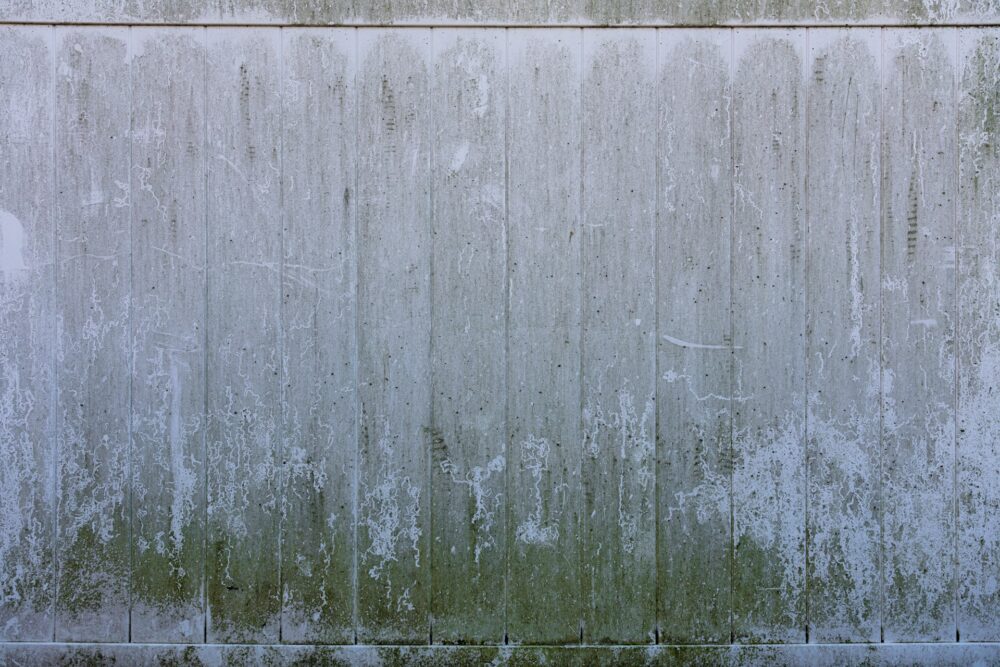
Your siding looked fine in the spring. Now, after a long Central Florida summer of afternoon storms and heavy humidity, the north wall has a green film and the shady corner by the AC unit looks worse every week. Green growth on siding is almost always a moisture problem first and a cleaning problem second.
Your siding turns green because algae, mildew, or mold settle on walls that stay damp, shaded, and dusty long enough for them to grow. Essentials Pressure Washing has cleaned homes across Orlando, Clermont, and Minneola since 2005. In that time, the same pattern keeps showing up: the walls that never fully dry are the walls that turn green first.
Keep reading to learn what feeds the growth and where your house holds moisture longest. You will also see how cleaning methods change by siding type. By the end, you will be able to check your own walls and decide what to fix before the green comes back.
What Causes the Green Color on Siding?
The green color on siding comes from living growth, most often algae, mildew, or mold, feeding on a surface that stays wet. It shows up on vinyl siding, wood siding, painted block, and stucco alike. The material affects how fast it spreads, not whether it can grow.
Wood holds water longer than vinyl, so it greens faster and can rot if the growth is left alone. Vinyl doesn’t feed the growth itself. The dust, pollen, and grime sitting on top of the vinyl do.
Why Color Alone Cannot Identify the Growth
A green streak could be algae, mildew, mold, or a mix of all three. You can’t tell which one by looking. Mold grows in many colors, from white and gray to black, yellow, and green, as the Florida Department of Health explains.
You don’t need to name the growth to deal with it. The fix is the same either way: remove the growth with a method that suits your siding, then cut off the moisture that let it grow.
How Humidity and Surface Dirt Help Growth Take Hold
Growth needs three things: food, a place to settle, and water. Central Florida supplies all three. Pollen and dust coat your walls, and humid air slows how fast the surface dries after rain or dew.
This is moisture retention at work. A wall that dries by mid-morning rarely greens. A wall that stays damp until afternoon gives spores hours each day to take hold. That is why some parts of your house look clean while others turn green.
Where Does Siding Stay Damp Longest?
Siding stays damp longest on shaded walls, low sections near the ground, and spots that catch water from sprinklers or overflowing gutters. These areas get little direct sun and poor airflow, so they hold moisture well after the rest of the house dries.
Why Is My Siding Turning Green on Just One Wall?
One green wall usually points to shade. North-facing walls get little or no direct sun in Central Florida, so dew and rain sit on them longer. They tend to turn green first.
Other one-sided causes include a large oak or palm blocking the sun, or a neighbor’s house standing close to yours. A fence that traps still air against the wall has the same effect. If the green stops at a clear line, look for what casts shade or throws water right at that edge.
Are Sprinklers, Gutters, or Nearby Plants Keeping It Wet?
Often, yes. Sprinkler overspray hitting your walls is a known moisture source for growth. It soaks the lower few feet of siding several times a week, and that band often greens before the rest of the wall.
Clogged gutters spill water down the face of the siding during summer storms. Shrubs planted tight against the house block airflow and hold humidity in. University of Florida guidance recommends keeping landscaping three feet or more from the foundation so air can move freely.
What Should You Check Around the House?
Walk your house on a sunny morning after a night of dew. Note which walls are still wet at 10 a.m. Then check these spots:
- Sprinkler heads: Run each zone and watch whether spray reaches the siding.
- Gutters and downspouts: Look for clogs, sagging sections, and water stains below the gutter line.
- Plant spacing: Measure how close shrubs, vines, and hedges sit to the wall.
- AC condensate lines: Make sure they drain away from the house.
- Soil and mulch height: Mulch piled against the bottom of the siding keeps it wet.
- Damaged areas: Look for cracks, loose panels, or gaps around windows where water can get in.
Once you know where the water comes from, you can choose a cleaning approach that fits your siding.
How Should Green Siding Be Cleaned?
Green siding should be cleaned with a low-pressure soft wash that matches the material. A soft wash uses a cleaning solution to break down growth, then a gentle rinse carries it away. The solution does the work, so the siding doesn’t take a beating.
Why Cleaning Methods Vary by Siding Material
Each surface reacts differently to water and pressure. Here is how common siding types compare:
- Vinyl: Panels overlap. High pressure drives water behind them and can crack or loosen panels.
- Wood: Soft and porous. Strong spray raises the grain, strips paint, and leaves gouges.
- Stucco: Textured and porous. High pressure etches the surface and can open small cracks.
- Brick: Sturdy, but older mortar joints can wash out under heavy pressure.
- Painted block: Pressure can peel weak paint and leave a blotchy look.
A good wash starts with a walk around the house to check siding type, look for damage, and note anything that needs to stay dry. Our full list of exterior cleaning services covers how we handle both houses and hard surfaces.
When Is a Soft Wash Safer Than High Pressure?
On siding and stucco, a soft wash is the safer choice nearly every time. High pressure can push water behind siding, where it feeds hidden growth. It also leaves stripe marks on vinyl and wears down stucco texture.
Concrete is a different story. Driveways can take more pressure, so a crew sets the pressure to the surface. That might be full pressure for plain concrete and a lighter approach for pavers. See how that works for driveway cleaning in Orlando, Clermont driveway cleaning, and Minneola driveway cleaning. The siding on the same property still gets a soft wash.
High-pressure spray is also a safety risk for you. It can cause serious wounds that look minor at first. That is one more reason to keep it off your house walls.
What Should You Know About Cleaning Solutions?
Most house-wash solutions use chlorine bleach (sodium hypochlorite) because it kills growth instead of only moving it around. For hard surfaces, the CDC lists a mix of no more than 1 cup of household bleach per gallon of water. Never mix bleach with ammonia or other cleaners, since that makes a toxic gas.
Oxygen bleach is milder and easier on some plants and painted finishes. It works slower on heavy growth. Whatever you use, wet your landscaping before and after, and never let solution dry on the siding. You can see how this looks on a real job for Orlando house washing, house washing in Clermont, and Minneola house washing.
A clean wall stays clean longer when you change what keeps it wet.
How Can You Reduce Green Growth?
You reduce green growth by helping your siding dry faster after rain, dew, and irrigation. Less moisture retention means fewer hours each day for spores to settle and spread.
How to Limit Sprinkler Overspray and Improve Airflow
Start with your irrigation. Adjust or swap sprinkler heads near the house so spray lands on the lawn and beds, not the wall. Drip lines work well in foundation beds. Water early in the morning so the sun has time to dry any splash.
Next, open up airflow. Trim shrubs back from the siding and thin out thick hedges. Cut back tree limbs that shade a wall all day. Keep mulch a few inches below the bottom edge of the siding, and clean gutters before the summer storm season.
When Does Recurring Growth Call for a Closer Look?
If one spot turns green again within a few months of a cleaning, something keeps feeding it. Look for a leaking hose bib or a dripping AC line. A gutter seam that spills right onto that patch is another common cause.
Growth that comes back around window frames, or panels that feel soft or bulge, can point to a siding installation problem. Water may be getting behind the panels through gaps in flashing or caulk. A siding or roofing contractor should check that before you put money into another cleaning.
Address the Damp Spot Before It Greens Again
Your siding turns green because a damp, shaded, dusty wall gives growth what it needs. Clean it with a soft wash that suits the material. Then fix the overspray, gutter, or plant crowding that kept that wall wet.
Most Central Florida homes need a wash about once a year. Heavily shaded houses and damp north-facing walls can need it sooner. You’ll find more seasonal care tips on our pressure washing blog. Local crews handle pressure washing in Orlando, Clermont pressure washing, and pressure washing in Minneola.
Not sure which method fits your siding? Essentials Pressure Washing will tell you exactly what we would do and what it costs. Call or text (407) 284-9438 for a free estimate, no obligation, with a same-day callback.
Frequently Asked Questions
What Causes Vinyl Siding to Turn Green?
Vinyl siding turns green when dust and pollen on its surface stay damp long enough for algae or mildew to grow. Shade, sprinkler overspray, and plants close to the wall are the most common reasons it stays wet.
Will Green Growth on Siding Go Away on Its Own?
No. Living growth keeps spreading as long as the wall stays damp, and it gets harder to remove over time. A dry spell may slow it down, but it returns once the rains come back.
Can Green Siding Mean Water Is Getting Behind the Panels?
Sometimes. Growth that keeps returning near windows, doors, or seams, along with soft or warped panels, can mean water is getting behind the siding. Have a siding contractor inspect those areas.
Is Oxygen Bleach Safer Than Chlorine Bleach for Siding?
Oxygen bleach is gentler on plants and some finishes, but it works slower on heavy growth. Chlorine bleach kills growth faster when it is diluted correctly and rinsed well. Either way, protect your landscaping before and after you clean.
Should I Replace Siding if Green Stains Keep Coming Back?
Not usually. Recurring growth almost always comes from a moisture source you can fix, like overspray or crowded shrubs. Replacement only makes sense if the panels are damaged or water is getting behind them.