House Washing Lake Nona: What to Expect and How to Protect Your Exterior
Your Lake Nona home looks fine from the street until the afternoon light hits the north wall. Then you see it: a gray-green film on the stucco, dark streaks under the soffits, and cobwebs packed into the trim. After a long humid summer, that buildup spreads faster than most homeowners expect.
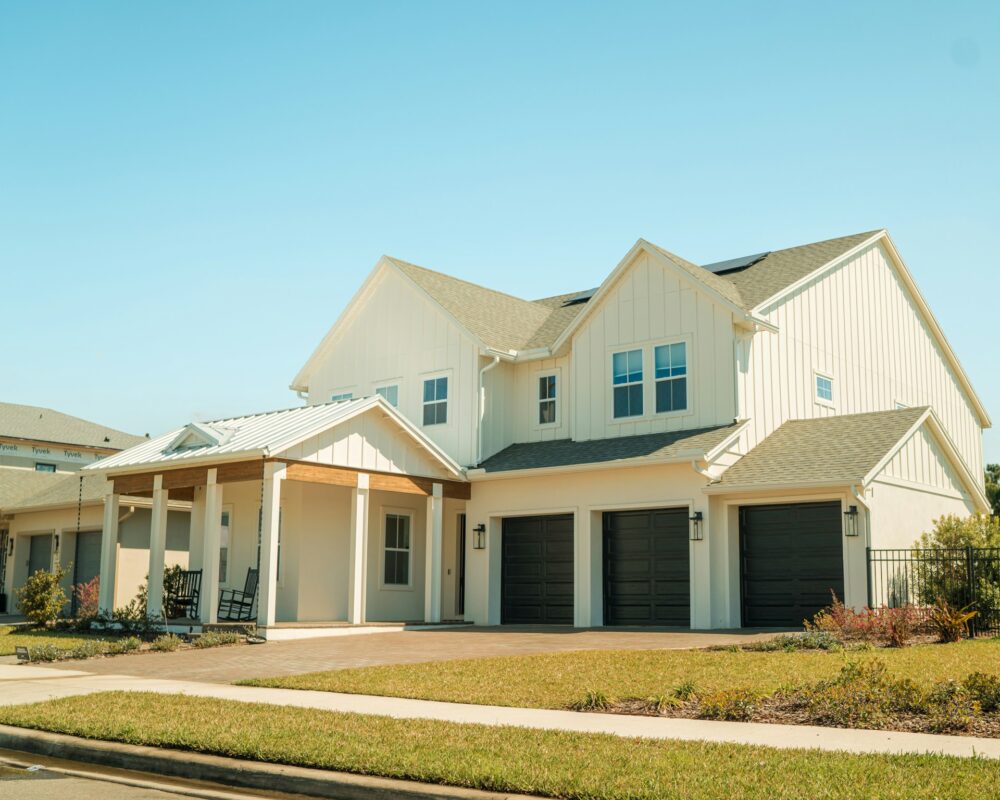
For house washing in Lake Nona, the safe choice for most homes is a low-pressure soft wash that cleans siding, soffits, fascia, gutter faces, and trim without forcing water into the walls. A local crew with years of Central Florida experience knows how to handle that work. They know how humidity, shade, and summer storms affect stucco and painted block. They also know which surfaces need a gentler touch and which can take more pressure.
In this guide, you’ll learn what a professional house wash covers and how the method changes by surface. You’ll also see what happens on the day of the visit and what results are realistic. By the end, you’ll know what to check before you ask for an estimate, so you can compare your options with clear expectations.
What Does a Professional House Wash Covers Look Like?
A professional house wash cleans the full outside skin of your home, from the top of the fascia down to the base of the walls. The goal is to remove mold, mildew, pollen, dirt, and cobwebs from every painted or clad surface you can see from the yard.
Most house washing services focus on the body of the home and its trim. Knowing exactly what’s included helps you compare quotes fairly and avoid surprises on the day of the wash.
Which Walls, Soffits, and Trim Are Included?
A standard house wash covers these parts of your exterior:
- Siding and walls: vinyl, stucco, brick, and painted block
- Soffits: the flat underside of the roof overhang, where cobwebs and wasp nests collect
- Fascia: the board that runs along the roof edge
- Gutter faces: the outside of the gutters, where black streaks show up first
- Trim: window and door trim, corner boards, and decorative bands
Soffits and gutter faces matter more than many people think. They sit in shade most of the day, so mildew grows there early. A clean wall under a dirty soffit still makes a house look worn.
Cobwebs and wasp nests come down during the same pass. That keeps your porch and entry areas cleaner after the crew leaves.
What Falls Outside a Standard House Wash?
Several common exterior jobs sit outside a standard house wash. These include roof cleaning, pool cage cleaning, fence cleaning, and window cleaning. Each one uses different tools or methods, so ask about them separately if you need them.
Some companies keep a focused list of house and driveway services so each job gets the right method. If a quote lists extra items, make sure you know what each one costs. Hard surfaces like driveways and walkways are a separate job, though they can often be priced together with a house wash.
With the scope clear, the next question is how the crew cleans each surface without harming it.
How Do Cleaning Methods Change by Surface?
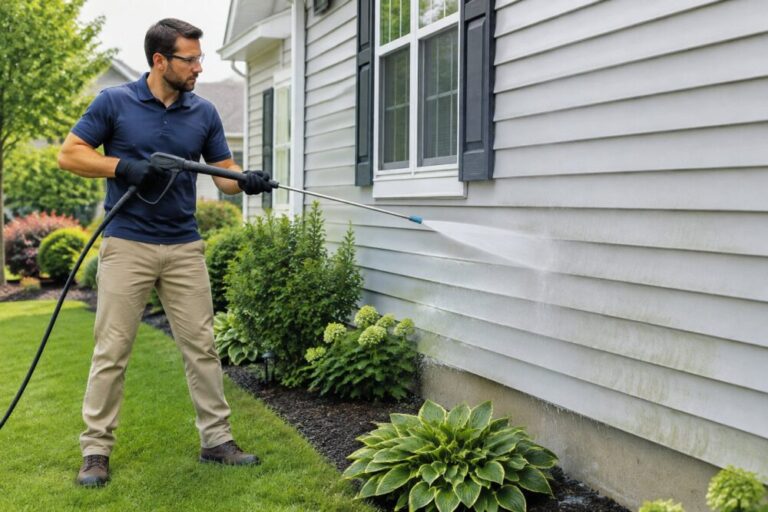
The cleaning method should match the material. Siding and stucco get a low-pressure soft wash, while concrete driveways get the pressure they can take. Using one pressure setting everywhere is how surfaces get damaged.
Soft washing means a cleaning solution does most of the work. It goes on at low pressure, sits long enough to break down mold and mildew, and then gets rinsed off. Pressure washing uses a stronger stream of water to lift stains from tough surfaces like concrete.
Why Does House Washing in Lake Nona Use Low Pressure on Stucco and Siding?
High pressure can force water behind vinyl siding and etch the face of stucco. Once stucco is etched, it holds dirt and grows mildew faster. Water behind siding can lead to moisture problems you won’t see until later.
A soft wash avoids those risks. Here is how it works on these surfaces:
- The solution is applied gently from the bottom up or top down, based on the wall.
- It sits on the surface and loosens mold, mildew, and pollen.
- The whole wall is rinsed clean from top to bottom.
On heavily shaded walls, the fix is more treatment time on the surface. Adding pressure does not help. This same low-pressure approach is used for Orlando house washing and for house washing in Clermont, where homes face the same humid conditions.
How Are Brick and Painted Block Assessed Before Cleaning?
Brick and painted block are checked before any solution goes on. On brick, the crew looks at the mortar joints. Cracked or crumbling mortar needs care, since water can get into those gaps.
Painted block gets a look for peeling, chalky, or blistered paint. A soft wash removes buildup from paint in good shape. Paint that is already failing may flake during any wash, so a good crew points it out before starting.
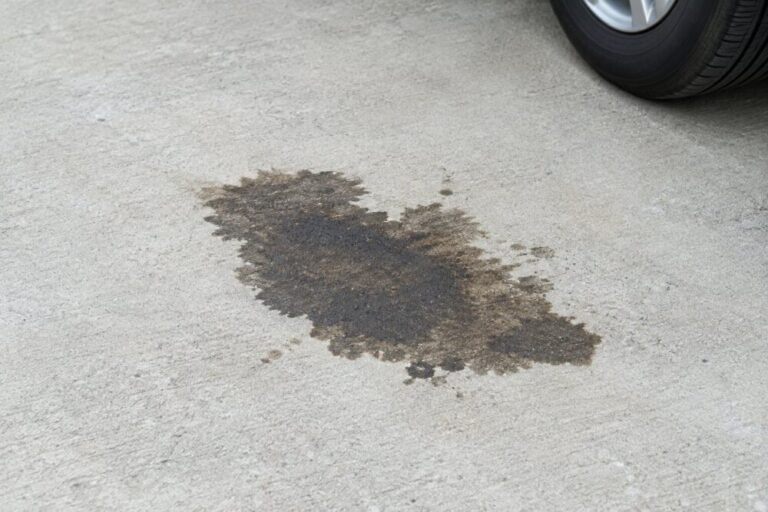
Concrete is different. A driveway can handle higher pressure, and that pressure is what clears oil spots and tire marks. That’s why driveway cleaning is treated as its own job with its own method, which ties into what happens when the crew arrives.
What Happens During a House-Washing Visit?
A professional visit follows a clear order: confirm the appointment, walk the property, protect the landscaping, wash, and rinse everything down at the end. Each step protects your home and makes the results more even.
Here is the basic flow you can expect:
- Visit confirmed: You know when the crew is coming.
- Walkthrough: The crew checks the exterior before any water goes on.
- Landscape rinse: Plants and beds get wet down first.
- Soft wash: Solution goes on and works on the buildup.
- Final rinse: Walls, plants, and hard surfaces get rinsed clean.
How Are Damaged Areas and Surfaces That Must Stay Dry Identified?
The walkthrough is where problems get caught. The crew looks for cracked stucco, loose siding panels, damaged screens, and gaps around windows. They also note outlets, light fixtures, and vents that should stay dry.
This is a good time for you to speak up. Point out any area you’ve been worried about, like a soft spot near a door frame or a light fixture with a loose cover. A crew that knows about those spots can work around them.
Walls with existing damage should be fixed before or after a wash. The University of Florida IFAS Extension notes that exterior walls should be free of cracks that let rain or moisture inside. A wash is a good moment to spot those cracks.
How Are Landscaping and Exterior Finishes Protected?
Plants and beds get rinsed with water before and after the wash. The first rinse helps plants resist the solution. The second rinse washes away anything that drifted onto leaves, mulch, or soil.
Finishes get the same care. Painted trim, front doors, and light fixtures are rinsed well so solution doesn’t sit on them. Cars, patio furniture, and grills should be moved away from the walls before the crew arrives, if you can.
Once the wash is done and everything is rinsed, you’ll see the results. Knowing what’s realistic helps you judge them fairly.
What Results Are Realistic in Lake Nona’s Humidity?
A good house wash removes most organic growth and surface dirt, and the color of your siding or stucco comes back. Some stains and surface problems stay, because they come from damage, rust, or old paint that washing can’t fix.
Curb appeal improves the most on shaded walls, soffits, and gutter faces. Those are the spots that look gray or green first. If you live in a community with HOA standards, a clean exterior often helps you stay on the right side of appearance rules.
Which Buildup Can Washing Remove?
A soft wash handles the common buildup you see on Lake Nona homes:
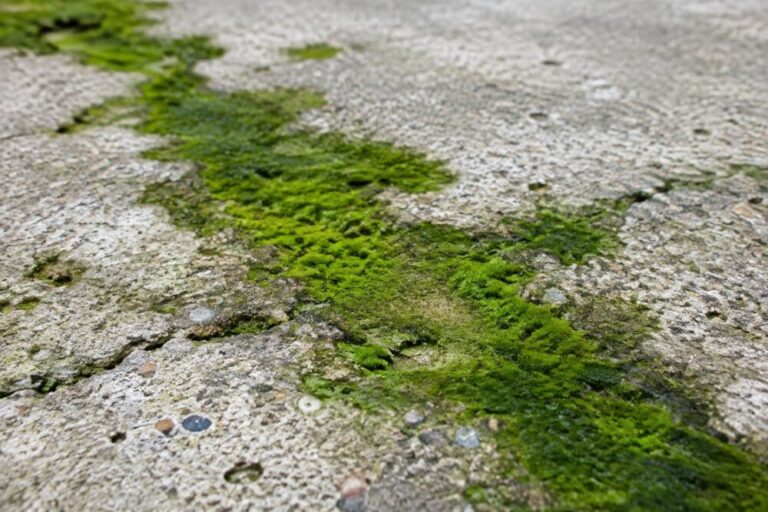
- Mold and mildew: the gray, green, or black film on stucco and siding
- Algae: the green coating on north-facing and shaded walls
- Pollen: the yellow dust that settles on trim and window ledges
- Dirt and dust: the grime that builds up near the ground and under eaves
- Cobwebs and wasp nests: packed into soffits and corners
Plants close to your walls keep moisture in place, which helps growth come back. The UF/IFAS Extension suggests keeping landscaping three feet or more from the house so air can move and algae and mildew have less damp space to grow. Trimming back shrubs after a wash helps the clean look last longer.
Which Stains or Surface Problems May Remain?
Some marks are not buildup, so washing won’t remove them. Faded or chalky paint stays faded after a wash. Cracks, chips, and peeling paint stay as they are, and a clean wall can make them easier to see.
Rust is another common holdout. Irrigation water can leave orange stains on lower walls. These need spot treatment, and removal depends on how long the stain has been there. Older rust stains are harder to lift fully.
Knowing these limits up front helps when you ask for a price. It also tells you what to mention when you describe your home.
What Should You Check Before Requesting an Estimate?
Before you ask for a quote, gather three things: your address, the surfaces you want cleaned, and any problem spots like rust or heavy growth. That information lets a company give you an accurate price faster.
It also helps to take a quick walk around your home. Look at the shaded sides, the soffits, and the base of the walls. Note any cracks or loose siding so you can mention them early.
What Affects the Price of a House Wash?
Several things shape the price of a house wash:
- Home size: more wall area takes more time and solution
- Number of stories: two-story homes need more reach and care
- Siding type: stucco, vinyl, brick, and painted block each need different handling
- How much buildup: heavy mold and mildew on shaded walls need more treatment time
- Access: tight side yards, fences, and dense plants slow the work
A fair estimate is based on these details, so share them up front. A walkthrough or clear description keeps the quote straightforward. Ask what’s included so you can compare quotes on the same scope. Many of the same factors apply to pressure washing in Orlando and nearby areas.
Can Driveway Cleaning Be Quoted With House Washing?
Yes. House washing and driveway cleaning can be booked together and priced as one job. That saves you from setting up two visits.
The driveway gets its own method. Concrete takes higher pressure, while pavers get a lower-pressure approach to help keep joint sand in place. Oil spots, irrigation rust, and heavy green growth are spot-treated first. Then the surface is cleaned in even passes, with the edges, cracks, and expansion joints detailed.
If you want both, say so when you ask for a quote. Walkways, sidewalks, and pool decks can be added too. For more on how hard surfaces are handled, see driveway cleaning in Orlando.
How Do You Confirm Scheduling for Your Lake Nona Address?
Lake Nona sits in the Orlando area, so call or text to confirm scheduling for your street. This applies whether you live in Laureate Park, VillageWalk, NorthLake Park, Eagle Creek, Storey Park, or near Lake Nona Town Center.
Share your full address when you reach out. Some communities have HOA rules about work hours or where trucks can park, so mention those if they apply. A good company will confirm the visit before it arrives.
The same local crews also work west of Orlando. Homeowners there can look into Clermont driveway cleaning, pressure washing near Clermont, and Minneola pressure washing. Options in that area include house washing for Minneola and driveway cleaning in Minneola.
Choosing the Right Wash for Your Lake Nona Home
For most Lake Nona homes, the right choice is a low-pressure soft wash for the walls and trim. Pair it with a surface-matched cleaning for the driveway if it needs one. That approach removes mold, mildew, and grime while protecting stucco, siding, and landscaping.
Before you book, make sure the company walks the property, rinses your plants before and after, and explains what results to expect. Ask what’s included, and get the price in writing. You can find more tips on caring for your exterior on the pressure washing blog.
Essentials Pressure Washing has cleaned Central Florida homes since 2005, with a family-run crew that focuses on house washing and driveway cleaning. You can learn more about the local Central Florida crew before you reach out. When you’re ready, call or text (407) 284-9438 with your address and what needs cleaning for a free estimate, no obligation, with a same-day callback.
Frequently Asked Questions
How Much Does It Cost to Wash a House in Lake Nona?
The price depends on your home’s size, number of stories, siding type, and how much buildup is on the walls. A free estimate based on your address and a description of the job gives you an accurate number. Adding driveway cleaning to the same visit can be priced as one job.
Is Soft Washing Safe for Painted Stucco?
Yes, soft washing is the right method for painted stucco in good condition. It uses low pressure and a cleaning solution, so it won’t etch the stucco or strip sound paint. Paint that is already peeling or chalky may show more wear after any wash, so point it out during the walkthrough.
Do I Need to Be Home During a House-Washing Visit?
You don’t always need to be home, but it helps to be there for the walkthrough. That’s when you can point out damaged areas, outlets, or fixtures that should stay dry. Make sure outdoor water spigots are on and gates are unlocked if you plan to be away.
Will House Washing Remove Irrigation Rust?
A standard soft wash does not fully remove irrigation rust, because rust is a mineral stain. Rust needs spot treatment, and how well it comes off depends on how long the stain has been there. Mention rust stains when you ask for a quote so they can be planned for.
How Often Should I Have My Lake Nona Home Washed?
Most Central Florida homes need a house wash about once a year. Heavily shaded homes and north-facing walls that stay damp may need it sooner. Keeping plants trimmed back from the walls helps the clean look last longer between washes.