Brick Pressure Washing: When Is It Safe and When Is Soft Washing Better?
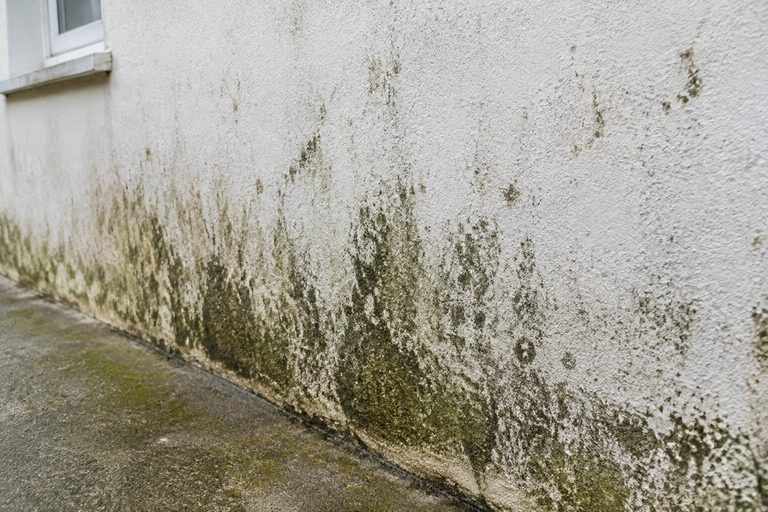
Brick on a Central Florida home picks up mildew in the shady spots first. You see a green film along the north wall, dark streaks under the windows, and gray grime near the flower beds after a long humid summer. Grabbing a pressure washer seems like the fast fix. Brick pressure washing at full force puts your mortar and brick faces at risk, so a low-pressure soft wash with a brick-safe cleaner is the safer choice for most homes.
Brick looks tough, but it is a porous material held together by softer mortar joints. In Orlando, Clermont, and Minneola, afternoon storms and high humidity keep walls damp for long stretches. That moisture feeds mold, mildew, and algae. The same moisture also means any water forced deep into the wall takes longer to dry out.
Keep reading to find out when a gentle rinse is fine, what high pressure does to brick and mortar, and how soft washing reaches the same clean result. By the end, you will know what to check on your own walls and which method fits your brick.
Is Brick Pressure Washing Safe for Your Home?
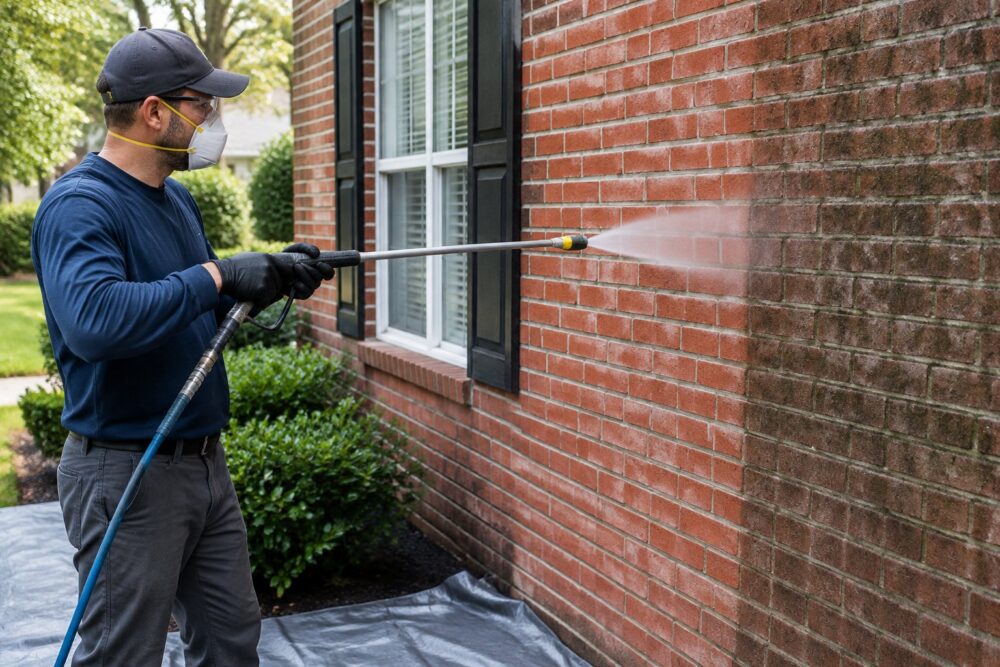
Pressure washing is safe for brick only at low pressure, with a wide spray, on brick and mortar that are in good shape. Most damage happens when someone uses the full force of the machine to save time.
When Can Sound Brick Handle a Gentle Rinse?
Sound brick has solid faces with no flaking and mortar joints that feel firm when you press them with a fingertip. On a wall like that, a low-pressure rinse to clear pollen, cobwebs, and loose dirt is fine.
Preservation experts set a careful starting point. The National Park Service recommends that masonry cleaning begin at 100 psi or below, even with a garden hose. It suggests raising pressure only as needed, generally no higher than 300 to 400 psi. PSI stands for pounds per square inch, the measure of how hard the water hits.
Modern brick is fired hard and holds up better than older, handmade brick. Even so, its mortar joints are softer than the brick itself. When people ask how to pressure wash brick, the safe answer starts with the lowest pressure that moves the dirt.
Why Is a Pressure Washer’s PSI Rating Not a Safe Cleaning Setting?
The number on the box tells you the most force the machine can make. It does not tell you what your wall can take. A small electric pressure washer with a 2000 psi rating still puts out several times the 300 to 400 psi ceiling preservationists use on masonry.
Nozzle choice and distance change the force too. A narrow tip held close to the wall focuses that pressure on a spot the size of a coin. Gallons per minute, the amount of water flowing, also affects how hard the spray hits.
The machine itself carries risk to you as well. The CDC warns that pressure washer spray can cause serious wounds that first look minor. With that in mind, it helps to know exactly what that force does once it reaches the wall.
What Can High Pressure Do to Brick and Mortar?
High pressure wears away mortar, chips brick faces, and drives water into the wall. Each of these problems costs more to fix than the cleaning was worth.
How Can Spray Erode Mortar or Chip Brick Faces?
Mortar is the weakest part of most brick walls. A tight, strong spray cuts into the joints and washes out sand. Over time, the joints sink back from the brick face and leave gaps.
Brick faces suffer too. Many bricks have a harder outer skin fired onto them. Once high pressure breaks that skin, the softer inside is exposed. That leads to spalling, which means the face flakes, pops off, or crumbles. Signs that pressure is too high include:
- Sand or grit in the runoff on the ground below the wall
- Lighter stripes where the spray etched the brick surface
- Recessed joints that look deeper than nearby untouched areas
- Small chips or pits on the brick faces
Preservation guidance names grit in the runoff as a clear warning sign. If you see it, the pressure is stripping material from your wall.
Where Can Water Enter a Brick Wall?
Water finds its way in through cracked mortar, gaps around windows and doors, weep holes, and open vents. High pressure pushes water through these openings much faster than rain does. On brick walls with hidden cracks, that water can reach the inside of the wall.
Trapped moisture causes slow problems. Metal ties can rust, interior finishes can stain, and mildew can grow where you cannot see it. A masonry wall can take over a week to dry after a soaking. In Central Florida humidity, drying takes longer still.
Water also carries salts to the surface as it dries. That shows up as efflorescence, a white powder on the brick face. The better path is a method that cleans with less water force from the start.
How Does Soft Washing Clean Exterior Brick?
Soft washing cleans brick with a cleaning solution and low pressure. The solution breaks down mold, mildew, and algae, and a gentle rinse carries the residue away. This is the same surface-matched idea used on siding and stucco: let the solution do the work so the surface stays protected.
How Do Brick-Safe Cleaners and Low Pressure Work Together?
A brick cleaner is chosen for the type of brick and the type of buildup. Organic growth like mildew and algae responds to solutions made to kill and loosen it. Unglazed brick handles different products than glazed brick, and the wrong cleaner can stain or etch the surface.
The process follows a steady order:
- Wet the wall first so the brick does not soak up too much solution
- Apply the cleaner at low pressure across the dirty area
- Let it dwell for the right time so it can break down growth
- Rinse top to bottom with a gentle, wide spray
Dwell time is the key step. Heavily shaded brick with thick growth gets more time with the solution. Adding extra pressure to those spots would only put the mortar at risk.
Why Does a Wide Rinse Matter More Than Extra Force?
A wide fan of water spreads its force over a large area. A 40-degree nozzle makes a broad fan that rinses loosened grime without digging into joints. It also leaves fewer stripe marks than a narrow tip.
The rinse works because the solution has already done the hard part. Mildew that has been broken down lets go with low pressure. If a stain does not come off with a gentle rinse, that stain needs a different cleaner or more dwell time.
Results depend on the stain. Fresh mildew lifts well. Old rust, paint, or deep mineral staining may need other treatment or may not fully come out. Before any cleaning starts, a careful look at the wall tells you what you are working with.
What Should You Check Before Cleaning Brick?
Check the brick faces, the mortar joints, and everything around the wall before any water touches it. A ten-minute walk around the house can prevent most cleaning damage.
Are the Brick Faces or Mortar Joints Already Damaged?
Look closely at the wall in good light. Run a finger along a few joints and press gently with a key or coin. Mortar that crumbles or turns to sand needs repair before cleaning. Washing weak joints, even gently, pushes water into the gaps.
Watch for these warning signs:
- Flaking or crumbling brick faces, often near the ground or under gutters
- Cracks running through bricks or along joints
- Joints sunk well back from the brick face
- White powder that points to moisture moving through the wall
- Old coatings or sealers that may react to a cleaner
Preservation guidance stresses that mortar joints must be sound before water cleaning. Badly worn brick may need a mason before it needs a wash.
Could Spray Reach Windows, Vents, or Nearby Plants?
Spray and solution can travel past the brick. Window seals, dryer vents, outdoor outlets, light fixtures, and door frames all need attention. Anything that should stay dry gets covered or worked around carefully.
Plants need protection too. Shrubs and flower beds along a brick wall sit right in the runoff path. Soaking them with plain water before and after cleaning keeps solution from sitting on the leaves and roots.
Also look at what is close by. Brick driveway borders, walkway edges, and front steps often sit next to concrete or pavers. Each surface needs its own method, and that difference shapes the right plan for your home.
Choosing a Safer Clean for Your Brick
A low-pressure soft wash is the safer choice for brick walls on most homes. Brick is porous and the mortar is soft, so a cleaner and gentle rinse protect both. Higher pressure belongs on surfaces built to take it, like a concrete driveway.
That is how Essentials Pressure Washing approaches it after more than 21 years in Central Florida. Brick, siding, stucco, and painted block get a soft wash. Concrete driveways get the pressure they can handle, and pavers get lower pressure to keep joint sand in place. You can see both house washing and driveway cleaning side by side, or browse more tips on the pressure washing blog.
Local crews cover each town. Find house washing in Orlando, soft wash in Clermont, or house washing in Minneola. For brick borders next to concrete, see driveway cleaning in Orlando, Clermont driveway cleaning, or Minneola driveway cleaning. Not sure which method fits your surface? Call or text (407) 284-9438 for a free estimate with no obligation and a same-day callback.
Frequently Asked Questions
Can You Pressure Wash a Brick House Without Damaging It?
Yes, if you keep the pressure low, use a wide spray, and stay a safe distance from the wall. Damage comes from narrow tips, close passes, and high settings that cut into mortar. A soft wash lowers that risk further.
Is Soft Washing Better for Older Brick?
Yes, soft washing is the better fit for older brick. Older, handmade brick is often softer and its mortar more worn, so high pressure can etch it fast. Check the joints first, since badly worn brick may need repair before any washing.
What Should You Spray on Brick Before Washing It?
Spray plain water on the brick first, then apply a cleaner matched to the brick and the stain. Wetting the wall keeps the brick from soaking up too much solution. Glazed and unglazed brick need different products, so check the label for your surface.
Can a 40-Degree Nozzle Prevent Mortar Damage?
A 40-degree nozzle lowers the risk but cannot prevent damage alone. It spreads the spray wide, yet a high setting held close to the wall can still wear soft joints. Pair it with low pressure and a cleaner that does the heavy lifting.
How Much Does Professional Brick Cleaning Cost?
Cost depends on the size of the house, how much growth is on the brick, and whether you add other surfaces. Booking a house wash and driveway cleaning together lets you get one price for the full job. Essentials Pressure Washing serves Orlando pressure washing, Clermont pressure washing, and Minneola pressure washing customers with free estimates. Start from the Essentials Pressure Washing homepage to send your address.