How to Remove Graffiti From Brick and Concrete Without Leaving a Ghost Behind
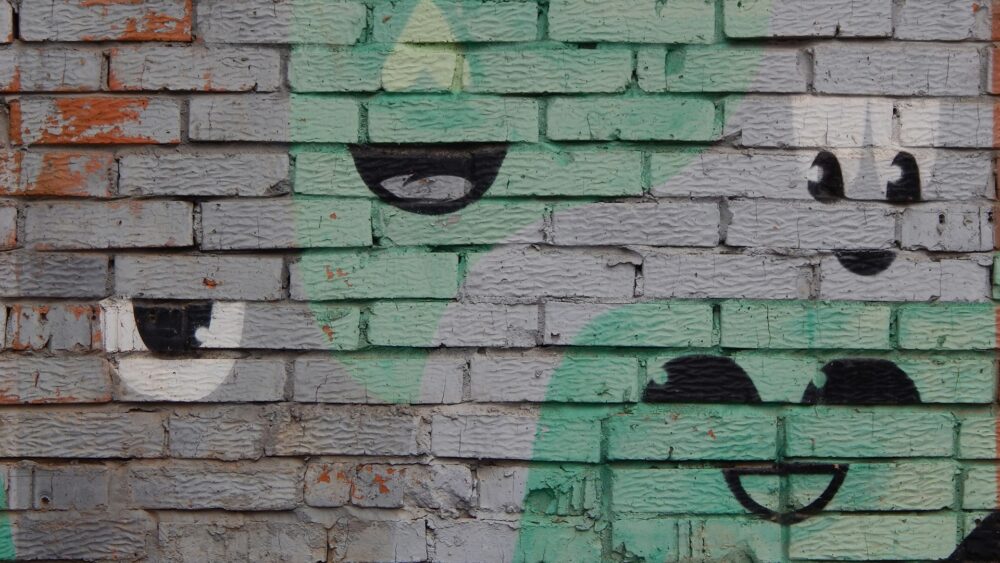
Finding spray paint across the side of your building is maddening, and the instinct is to grab the strongest thing in the garage and start scrubbing. That usually makes it worse. Brick and concrete are porous, so paint does not just sit on top of them. It soaks in, and the wrong method either drives it deeper or tears up the surface trying to get it out.
Knowing how to remove graffiti from brick or concrete mostly means resisting the urge to go hard: start with the gentlest method that works, test it on a small area first, and step up gradually only if you need to. Speed matters as much as technique. Fresh paint comes off far more easily than paint that has cured in the Florida sun for a few weeks.
Before You Clean Anything
Photograph It and Report It
Take clear photos of the graffiti, including a wide shot that shows where it is on the property. Graffiti is vandalism, and a report helps police track repeat taggers. In the City of Orlando, the city directs property owners to report it to the police non-emergency line, and it also runs a program that helps business and property owners remove and prevent graffiti within city limits. Other cities and counties in Central Florida have their own reporting options, so check with yours.
Figure Out What You Are Dealing With
The type of marking changes the approach:
- Spray paint is the most common and the most stubborn on porous surfaces.
- Permanent marker sits closer to the surface but leaves dye that can stain.
- Paint markers and paint pens behave like spray paint in thicker lines.
- Chalk usually washes off with water and a brush. Crayon is waxy and needs a little more work.
Then look at the surface. Smooth, sealed concrete is easier than rough block. Old, soft brick with crumbling mortar needs much more care than a newer, hard-fired brick wall.
Why Brick Is Harder Than It Looks
The National Park Service puts it plainly in its guidance on historic masonry: removing graffiti as soon as it appears is the key to getting rid of it and keeping it from coming back. The same brief points out that masonry is porous to a greater or lesser extent, so paint sinks into the surface, and that dissolved paint being removed can run down the wall and stain clean masonry below.
Brick also has mortar joints, which are softer than the brick itself. Blasting them with high pressure can wash out mortar, open gaps for water and leave the wall looking patchy. The Park Service brief warns that some historic masonry materials can be damaged by pressure washing even at low or moderate pressures.
Concrete is denser than most brick but still holds paint in its pores, especially on rough or broom-finished surfaces like sidewalks, retaining walls and the sides of buildings.
How to Remove Graffiti From Brick, Step by Step
1. Test on a Hidden Spot
Pick a small section of the same brick in a spot people will not notice. Try your method there first and let it dry fully before judging. Brick often looks clean while wet and shows a shadow once it dries.
2. Start With Water and Mild Detergent
For fresh, water-based paint or marker, low-pressure water with a mild detergent and a natural or nylon bristle brush is the place to begin. Scrub gently in small circles and rinse often so loosened paint does not dry back onto the brick.
3. Move to a Graffiti Remover Made for Masonry
If detergent does not move it, use a remover labeled for brick or masonry. These products soften the paint so it can be rinsed away. Wet the clean brick below the graffiti first, so any dissolved paint that runs down has a harder time soaking in. Then apply the remover to the graffiti only, give it the dwell time on the label, agitate gently and rinse thoroughly.
Most graffiti removers are strong solvents or caustic chemicals. Read the label, wear chemical-resistant gloves and eye protection, work with good ventilation, and keep runoff away from plants and storm drains.
On very porous brick, a poultice is often the answer. The Park Service brief calls it the most effective method for removing graffiti from masonry in many cases. A poultice is a paste that holds the cleaning agent against the surface, so the product works on the stain instead of soaking deeper, and it pulls the dissolved paint outward as it dries.
4. Use Pressure Carefully
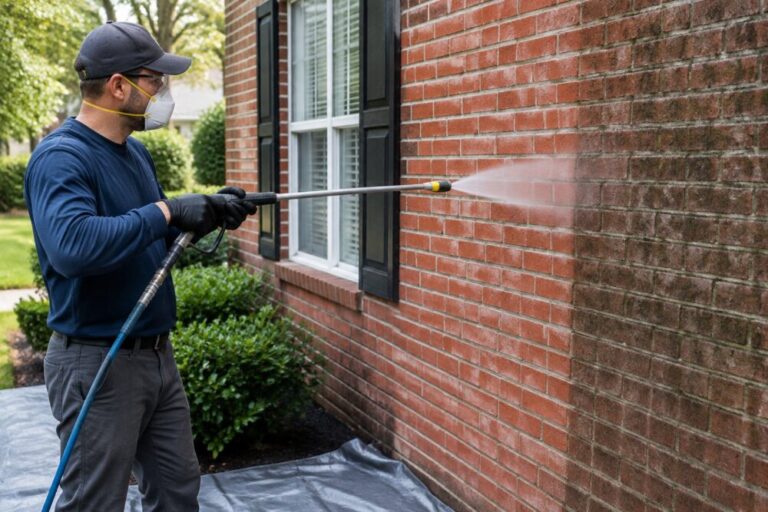
A rinse with moderate, controlled pressure helps carry away softened paint. It should be the last step, not the first. Keep the nozzle moving, hold it at an angle and stay well back from mortar joints.
5. Check for a Ghost
Even after a good cleaning, faint outlines called ghosts or shadows can remain where pigment has worked deep into the pores. According to the Park Service, some ghosts become less noticeable over time as the dyes fade. A second, lighter treatment sometimes finishes the job. What you should not do is keep attacking the same spot harder, because at that point you are removing brick, not paint.
How to Remove Graffiti From Concrete
Concrete can usually take a little more than brick, but the same order applies: test, start mild, then step up.
- Sweep and wet the area.
- Apply a graffiti remover rated for concrete and let it dwell.
- Agitate with a stiff nylon brush, working the product into the texture.
- Rinse with a pressure washer at a setting suited to the concrete, keeping the tip moving and overlapping passes so you do not leave a clean stripe through a dirty slab.
- Clean the surrounding area so the spot you treated does not stand out as a bright patch.
That last point catches a lot of people out. Removing graffiti from a gray, weathered wall can leave a rectangle that is cleaner than everything around it. Washing the whole panel or section gives an even finish.
When Painting Over Is the Better Answer
On painted stucco, painted block or a painted fence, the best fix is often a fresh coat of matching paint rather than trying to strip graffiti out of the existing paint. Cleaning products strong enough to lift spray paint will usually lift the paint underneath too.
The exception is bare brick and natural stone. Painting over them changes how the wall looks and how it breathes, so removal is the better route there.
Making It Less Likely to Happen Again
- Remove new tags quickly. Graffiti that stays up tends to attract more.
- Light it. Motion-activated lighting on blank walls discourages night tagging.
- Plant along bare walls. Shrubs or vines make walls harder to reach and less inviting as a canvas.
- Ask about protective coatings. Anti-graffiti coatings make future removal easier. Some are sacrificial and come off with the graffiti, while others are designed to stay in place. Each type behaves differently on brick, so get advice on what suits your wall.
Getting Help With Graffiti Removal
Essentials Pressure Washing provides graffiti removal on brick, masonry, concrete, metal and glass. We can handle a one-time cleanup, or set up an ongoing maintenance plan for properties that get hit again and again.
If the wall belongs to an older building, take a look at our historical building washing page as well. Business owners can pair graffiti removal with commercial pressure washing of sidewalks and storefronts, and if your wall is brick, our guide to brick cleaning for Florida homes covers routine care.
The sooner it comes off, the cleaner the result. Call (407) 284-9438 and we will price the job for free. There is no obligation either way.
Frequently Asked Questions
What Removes Spray Paint From Brick?
A graffiti remover made for masonry, applied only to the paint, left to dwell and then rinsed at controlled pressure, works on most spray paint. Very porous brick may need a poultice so the product does not soak in and spread the stain.
Can You Pressure Wash Graffiti Off Brick?
Pressure helps, but it should not be the first or only step. High pressure alone often fails to remove cured paint and can wash out mortar and damage soft brick. A remover softens the paint so a gentler rinse can carry it away.
Why Can I Still See the Graffiti After Cleaning?
That faint outline is called a ghost. It happens when pigment has soaked into the pores of the brick or concrete. A lighter second treatment can help, and some ghosts fade with weathering. Scrubbing harder usually damages the surface.
How Soon Should Graffiti Be Removed?
As soon as possible. Fresh paint has not fully cured or soaked in, so it comes off more cleanly. Quick removal also discourages taggers from coming back.
Should I Report Graffiti Before Removing It?
Yes. Photograph it and report it to your local police non-emergency line or your city’s graffiti program. Having it on record also helps if the same spot gets hit again.