Soft Wash Brick Exteriors: When Low Pressure Helps Protect Mortar and Finish
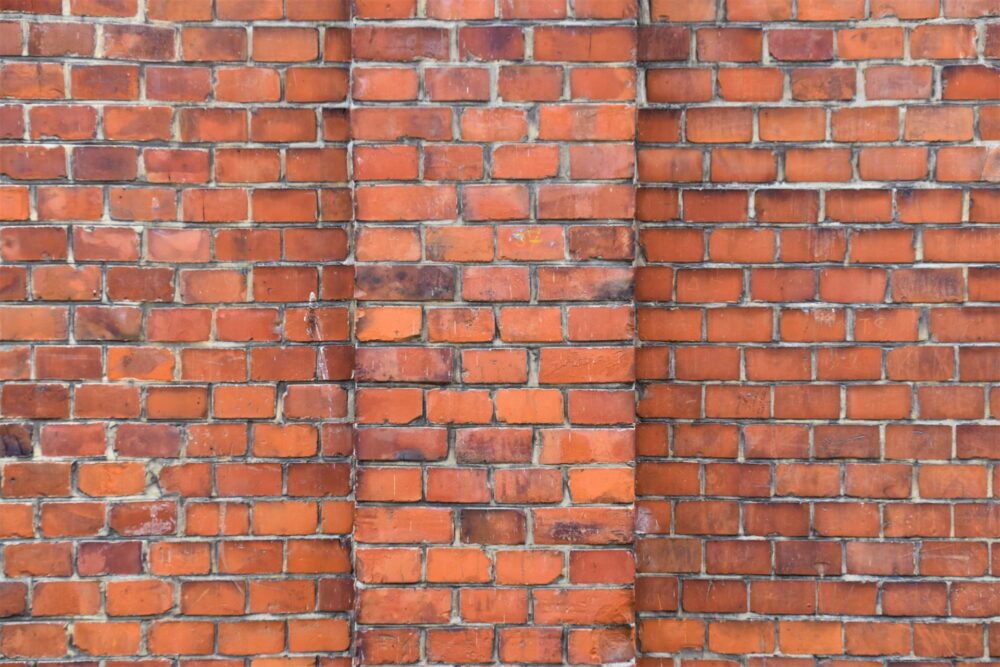
Your brick looked warm and red when it was new. Now the north wall has a green film, the shady corner by the hose bib looks black, and the mortar lines have gone gray. After a humid Central Florida summer, that growth spreads fast. You want your curb appeal back, but you also want to protect the joints that hold your wall together.
For most painted-free, sound brick homes, a low-pressure soft wash is the right way to clean organic growth off brick, because a cleaning solution does the work and the mortar never takes a blast of water. Essentials Pressure Washing has cleaned brick, stucco, and siding across Orlando, Clermont, and Minneola since 2005. Over 21-plus years, the pattern holds: brick that stays shaded and damp grows back first, and brick that gets blasted wears out first.
Keep reading to find out when a soft wash brick cleaning fits your wall, what happens during the visit, and why high pressure is risky on mortar. You will also learn which stains respond to cleaning and which need a different fix. By the end, you will know what to check on your own wall and what to ask before you book.
When Is Brick a Good Candidate for Low-Pressure Cleaning?
Brick is a good fit for soft washing when the bricks are firmly set, the mortar joints are solid, and the stain is organic growth like mold, mildew, algae, or dirt. If your wall passes a quick visual check, low pressure cleans it without wearing down the surface.
The trouble is that brick is many surfaces, not one. A 1990s brick veneer, an older solid brick wall, and painted brick each behave differently when wet. Your mortar sets the rules more often than the brick does.
How Do Brick and Mortar Conditions Affect the Choice?
Mortar is softer than the brick it holds. When mortar is in good shape, a soft wash solution sits on the surface, kills the growth, and rinses away with gentle water flow. When mortar is soft, sandy, or pulling back from the brick, any water cleaning carries risk.
Walk your wall and look for these signs:
- Good candidate: Joints feel hard, edges are crisp, and the brick face is smooth or evenly textured.
- Needs a closer look: Joints crumble when you scrape them with a key, or sand collects at the base of the wall.
- Different plan: The brick is painted, sealed, or coated. Peeling paint will not wash off at safe pressure.
- Needs repair first: Bricks are loose, cracked, or flaking at the face.
Shaded walls and spots near sprinklers stay damp longer. Those areas grow back faster, so they often need more treatment time. More pressure is never the answer on those walls.
When Should Damaged Brick Be Assessed Before Washing?
You should have damaged brick looked at before anyone puts water on it. The Brick Industry Association flags cracks wider than a business card in brick or mortar as a sign the joint needs repair. That same guidance lists loose bricks, missing mortar, and clogged weep holes as problems to fix first.
Weep holes are the small gaps along the bottom row of brick. They let water drain out from behind the wall. Water forced into a cracked joint or up into a weep hole can end up where it should not be.
A good crew checks for these spots during the walk-around and marks anything that needs to stay dry. Once the wall is cleared, the cleaning itself follows a set order.
What Happens During a Low-Pressure Brick Cleaning?
A low-pressure brick cleaning uses a mild cleaning solution, time, and a gentle rinse to lift growth off the wall. The water pressure stays low enough that it carries the solution away without cutting into the mortar.
How Does Soft Washing Work on Brick?
If you are wondering how to soft wash brick, the steps look like this on a typical visit:
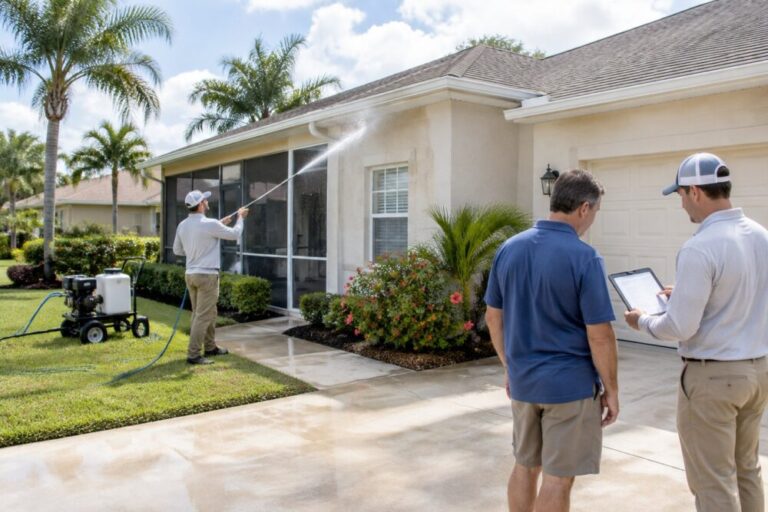
- Walk the house. The crew checks brick condition, mortar joints, outlets, light fixtures, and anything that should stay dry.
- Wet the plants. Beds along the foundation get soaked so they absorb clean water first.
- Pre-wet the brick. Damp brick soaks up less solution, which lowers the risk of streaks and white residue.
- Apply the solution. A soft wash system sends the mix through a low-pressure nozzle onto the wall.
- Let it dwell. Chemical dwell time is the few minutes the mix sits on the brick to break down growth. The wall stays wet the whole time.
- Rinse top to bottom. A wide, gentle spray carries the loosened growth off the wall.
The main ingredient is usually sodium hypochlorite (SH), the active part of household bleach. Household bleach sold in the U.S. runs at a 5% to 9% sodium hypochlorite concentration, according to the CDC. Soft wash mixes are diluted well below what comes out of the jug. A surfactant (a soap that helps the mix cling) keeps the solution on a vertical wall long enough to work.
Why Do Solution Handling and Rinsing Matter?
The mix strength matters as much on brick as the pressure does. Too weak, and green growth turns white but stays stuck in the pores. Too strong, and you risk plant damage and residue. Many crews use a downstream injector, a fitting that blends the solution into the water line at a steady, low ratio.
Rinsing is where most problems show up. Solution that dries on brick leaves streaks. Water sprayed upward pushes into weep holes. Some crews add biodegradable cleaners or soaps for light grime, though SH is what kills mold and mildew.
Handled well, a soft wash never needs force. That leads to the obvious question about why a pressure washer stays off the brick.
Why Not Use High Pressure on Brick?
High pressure wears away mortar joints and can strip the hard outer skin of the brick, and neither one grows back. Pressure washing and power washing both put more force on the wall than brick needs to come clean.
How Can Forceful Water Affect Brick Faces and Mortar?
Fired brick has a harder outer layer from the kiln. A narrow, strong spray can cut through that layer and expose the softer clay underneath. That rough, open surface holds dirt and mildew faster than the original face did.
Mortar takes damage even sooner. You might see:
- Sand washing out at the base of the wall during cleaning
- Joints that look deeper or rounder after a wash
- Light lines or “stripes” where the spray tip passed
- Water stains on interior walls after a heavy wash
Each worn joint is another path for rain to get into the wall. Repairing it means repointing, which is mason work.
Why Is Cleaning a Brick Wall Different from Cleaning Concrete?
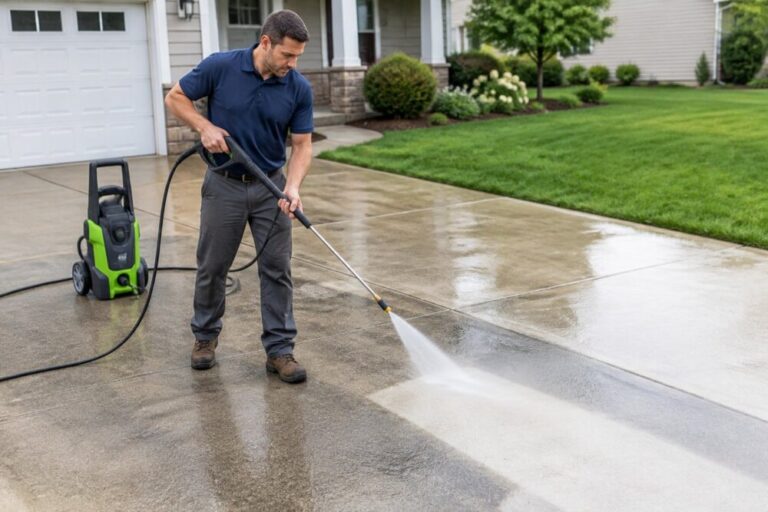
A concrete driveway is a flat, dense slab built to handle tires and weight. It can take more pressure, and that pressure is what clears oil spots, tire marks, and black algae from the surface. Brick is a wall of small units held by softer mortar, so the same force does harm.
Here is how the method changes by surface:
- Brick walls: Soft wash with low pressure and treatment time.
- Stucco and siding: Soft wash, since high pressure etches stucco and forces water behind siding.
- Concrete driveways: Pressure washing at a setting the slab can take, with spot treatment for oil and rust.
- Pavers: Lower pressure to help keep the joint sand in place.
You can see how this plays out on Orlando driveway cleaning jobs, where concrete gets the pressure it can handle. The same goes for driveway cleaning in Clermont and Minneola driveway cleaning. Matching the method to the surface also depends on what kind of stain is on the brick.
Which Brick Stains Respond to Cleaning?
Living growth such as mold, mildew, algae, and moss responds well to soft washing, along with cobwebs, pollen, and surface dirt. Mineral stains, rust, and failing paint call for a different plan.
What Can a Soft Wash Do for Organic Growth and Dirt?
Green and black growth on Central Florida brick is usually alive. Soft washing kills it at the root so it rinses away, and the wall stays cleaner longer than it would after a quick spray. North-facing walls, chimneys, and brick near shrubs tend to need the most treatment.
Dirt splashed up from planting beds and pollen film also rinse off well. Heavy growth sometimes turns white before it lets go. In that case, a second application and more dwell time finish the job.
Why Might White Deposits or Older Stains Need a Different Approach?
White, powdery bloom on brick is often efflorescence. It forms when water carries salts out of the brick or mortar and then dries, leaving the salt behind. The Brick Industry Association says efflorescence is usually not harmful and advises fixing the water source before removal.
Soft wash solution does nothing to salt deposits because it targets living growth. Here is how common brick stains sort out:
- Green or black film: Organic growth, a good fit for soft washing.
- White powder or crust: Likely efflorescence, which points to a moisture issue.
- Orange or brown streaks: Often rust from metal fixtures or irrigation, a separate treatment.
- Peeling or chalky paint: Coating failure, which washing will not fix.
- Flaking brick faces: Unit damage that needs a mason.
Knowing which group your stain falls into helps you ask better questions when you call for a quote.
What Should You Ask Before Booking a House Wash?
Before you book, ask what surfaces the quote covers, how the crew protects your plants, and what results to expect on your brick. Clear answers to those three points tell you a lot about the crew.
Will the Quote Cover Brick, Trim, and Other Exterior Surfaces?
A full house wash should cover more than the brick face. Ask whether soffits, fascia, gutter faces, and trim are included. Many brick homes in Central Florida mix brick with stucco or siding on upper floors, and each surface needs its own approach.
If your home has a mix of brick and stucco, look at how a crew handles stucco and brick washing in Orlando. Homeowners further west can compare Clermont house washing and house washing in Minneola. You can also ask to bundle the driveway into the same visit. Pages for Orlando pressure washing, Clermont pressure washing, and Minneola pressure washing cover both services together.
How Will the Crew Protect Plants and Handle Runoff?
Brick walls drain straight down into your foundation beds. Ask whether the crew soaks plants before the wash and rinses them again after. That keeps solution from sitting on leaves and roots.
Also ask how they protect light fixtures, outlets, and window frames. Metal and glass near the work area should be rinsed or covered.
What Results Are Realistic for the Brick’s Condition?
A straight answer about results is a good sign. Organic growth should come off. Efflorescence, old rust, and worn spots from past blasting will not change with a soft wash.
Ask the crew to point out anything they expect to stay after cleaning. Your curb appeal improves most when you know ahead of time what the wash will and will not fix.
Choose a Method That Fits the Brick
Soft washing is the right method for sound brick with mold, mildew, algae, or dirt, and it protects your mortar joints while it cleans. Brick with cracked joints, loose units, or salt bloom needs a check first and sometimes a mason.
Start with a look at your wall. Scrape a joint gently, note any white powder, and check the shady sides of the house. Then compare that with the house washing and driveway services you are considering, so the method on the brick and the method on the concrete each fit their surface. More tips on Central Florida exteriors are on the Essentials Pressure Washing blog.
Essentials Pressure Washing walks the property before any work starts and gives free, no-obligation estimates, with a same-day callback. Not sure which method fits your brick? Call or text (407) 284-9438, and you will hear exactly what the crew would do and what it will cost.
Frequently Asked Questions
Can All Brick Exteriors Be Soft Washed?
No, most sound brick can be soft washed, but not every wall. Painted brick, sealed brick, and walls with crumbling mortar or loose bricks need a different plan or repairs first.
Can You Pressure Wash Brick Without Damaging the Mortar?
High pressure carries a real risk of washing out mortar and scarring the brick face. Low pressure with a wide spray and a cleaning solution gets brick clean with far less wear on the joints.
Will Soft Washing Remove White Stains From Brick?
Soft washing removes white residue from dead growth, but it will not remove efflorescence. That white salt bloom comes from moisture moving through the wall, so the water source should be found and fixed first.
How Much Does It Cost to Soft Wash a Brick House?
Price depends on the size of the home, how much growth is on the wall, and what other surfaces are included. A free estimate gives you a real number, and you can bundle the driveway into the same job.
How Often Should a Brick Exterior Be Cleaned?
Most Central Florida homes do well with a wash about once a year. Shaded walls, north-facing sides, and brick near sprinklers stay damp and can need cleaning sooner.