Black Stains on Concrete: What Causes Them and Which Cleaning Methods Help
If you have dark blotches spreading across your driveway after a wet Central Florida summer, you are seeing one of the most common problems on local concrete. Most black stains on concrete come from one of four sources: organic growth in damp, shaded spots; oil drips; tire residue; or packed-in dirt and rotting leaves. Each one needs a slightly different cleaning approach. Where the stain sits gives you a strong first clue about which one you have.
Essentials Pressure Washing has cleaned driveways, walkways, and house exteriors across Orlando, Clermont, and Minneola since 2005. In more than 21 years of local work, the same patterns keep showing up. Shaded slabs turn dark near sprinkler heads, oil collects under parked cars, and leaf stains settle along the edges of the lawn.
Keep reading to learn how to read a stain by its location and shape, which cleaning methods fit each cause, and when a mark may not come out all the way. You will also learn simple habits that slow the dark spots from coming back. By the end, you will be able to decide whether a stain is something you can handle yourself or a job for a professional crew.
Why Do Dark Patches Appear on Concrete?
Dark patches form because concrete is porous. It soaks up water, oil, and fine debris, then holds them near the surface. In Central Florida, humidity, afternoon storms, and irrigation keep many slabs damp for long stretches, and that moisture feeds most of the problems below.
Organic Growth and Damp
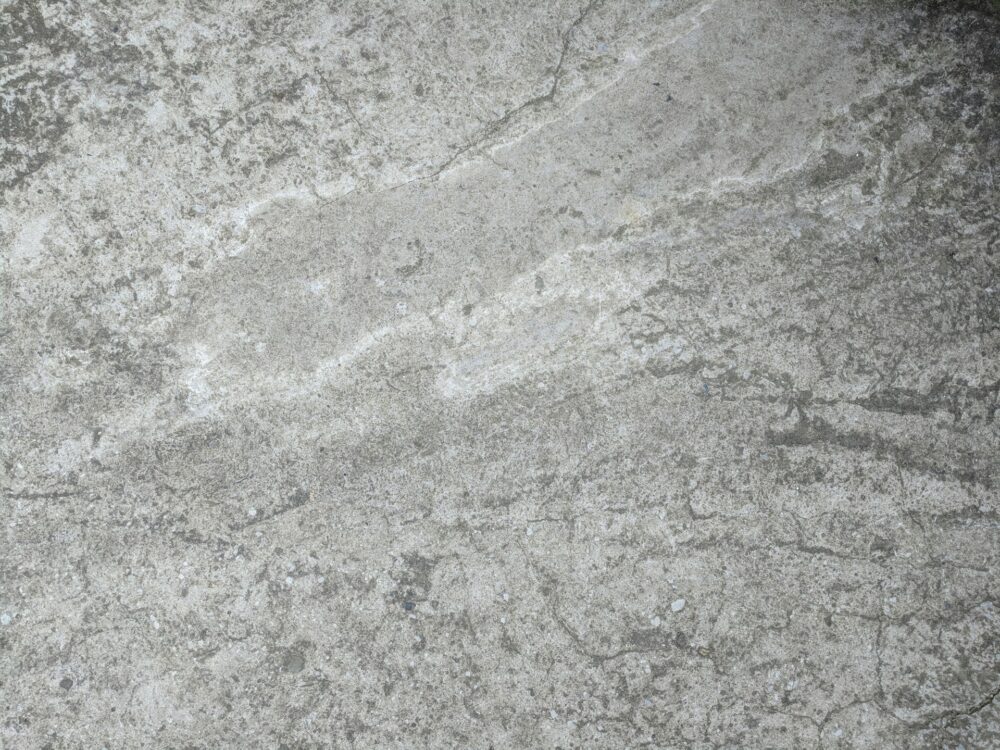
Mold, mildew, and algae grow on concrete that stays wet. They start as a thin film, often green or gray, and darken to black as the growth builds up and traps dirt. The concrete holds water deep in its pores, so the surface can look dry while the slab underneath stays moist.
Sprinkler overspray is a big driver here. A zone that hits the same strip of driveway every morning gives growth a steady water supply. You will often see a dark band that matches the spray pattern of a nearby head.
Shaded Areas
Spots that never get full sun stay damp the longest. Think of the strip beside a garage wall, the slab under an oak canopy, or a walkway on the north side of the house. Without sun to dry the surface, organic growth spreads faster and comes back sooner after cleaning.
Shade from a house also means runoff. Water draining off a roofline or gutter downspout can keep one section of concrete wet for days after a storm.
Oil Leaks and Tire Residue
Vehicles leave two kinds of dark marks. Oil and transmission fluid drip into round or irregular spots where a car sits. Tire residue shows up as dark streaks or curved arcs where tires turn, brake, or sit in the hot sun.
Both soak into the top layer of the concrete. Fresh oil sits close to the surface. Older oil spreads and works deeper, which makes it harder to lift.
Ground-in Dirt and Decaying Leaves
Leaves, seed pods, and pine needles leave tannin stains as they break down on wet concrete. These marks look brown to nearly black and often keep the outline of the leaf. Foot traffic and car tires also press fine dirt into the pores, which slowly darkens high-traffic paths. Once you know these four causes, the stain’s location and shape start to tell you which one you are looking at.
What Can the Stain’s Location and Pattern Tell You?
Location and pattern give you better clues than color. Many different stains look black on gray concrete, so color alone cannot identify one. Where the mark sits and how it spreads narrows the list fast.
Dark Film Near Shade or Standing Water
A dark film that covers a wide area points to organic growth. Look for it in low spots where puddles linger, along edges next to lawns, and in cracks and expansion joints that hold water. The film often feels slick when wet.
Check the pattern against your yard. If the darkest area lines up with a sprinkler arc, a downspout, or a tree’s shade line, moisture is almost always the cause. These signs point toward growth:
- The stain spreads evenly instead of forming sharp spots
- It is darkest in the shadiest or wettest corner
- It follows cracks, joints, or the lawn edge
- It turns slippery after rain or irrigation
Marks Beneath Parked Cars
Spots right where an engine or transmission sits are almost always oil or fluid. They tend to have a darker center and a soft, spreading edge. A fresh spot may look shiny or feel slightly greasy.
Tire marks have a different shape. They form stripes, arcs, or two parallel paths where you pull in and turn the wheel. These dark marks on a driveway sit on the surface more than oil does, though heat helps them bond to the concrete over time.
When a Dark Patch May Not Be a Surface Stain
Some dark areas come from moisture inside the slab, not grime on top. Concrete wicks water upward from the soil, and a concrete capillary rise of about 2,000 feet is the theoretical limit noted by building scientists. A patch that looks darker after rain and lighter as it dries may just be wet concrete.
That same water movement carries dissolved salts to the surface. When the water dries, it leaves white crystals called efflorescence, as explained in a building science paper on capillarity. Efflorescence is white, not black, but it often shows up beside dark damp zones and signals a moisture issue cleaning will not fix. If a patch keeps changing with the weather, think about drainage before you scrub. Once you have a likely cause, you can pick the cleaning approach that fits it.
Which Cleaning Approach Fits the Stain?
The right approach depends on what caused the stain and what the surface is made of. Bare concrete can handle more pressure than pavers, stamped concrete, or house siding. Matching the method to both the stain and the surface protects the material and gives you a cleaner result.
Cleaning Organic Buildup and Surface Dirt
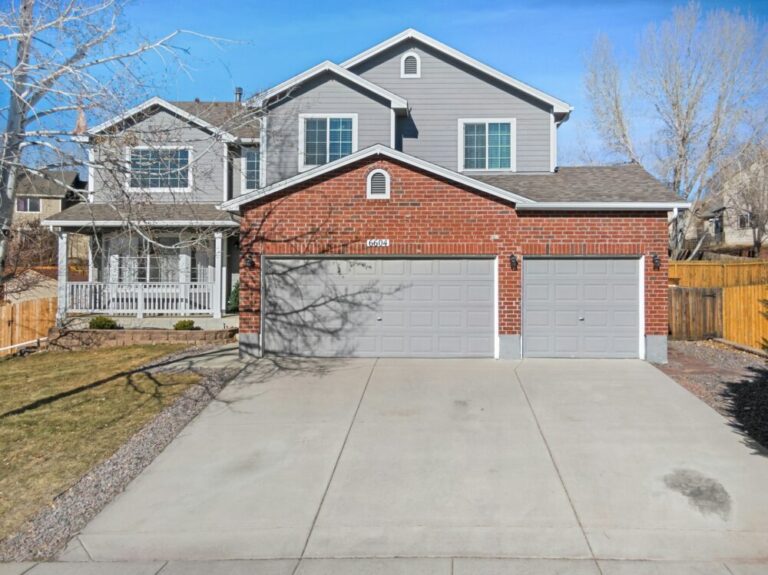
On a plain concrete driveway, mold, mildew, and ground-in dirt respond well to pressure washing at a setting the slab can take. A surface cleaner (a round, spinning attachment) cleans in even passes and helps avoid the stripe marks a hand wand leaves behind. Edges, cracks, and joints get detailed afterward, since growth hides there.
Heavy organic growth in shaded areas benefits from a pre-treatment that sits on the surface before rinsing. Extra dwell time breaks down growth better than blasting harder, which can etch concrete. Pavers need a lower-pressure approach so the sand in the joints stays put.
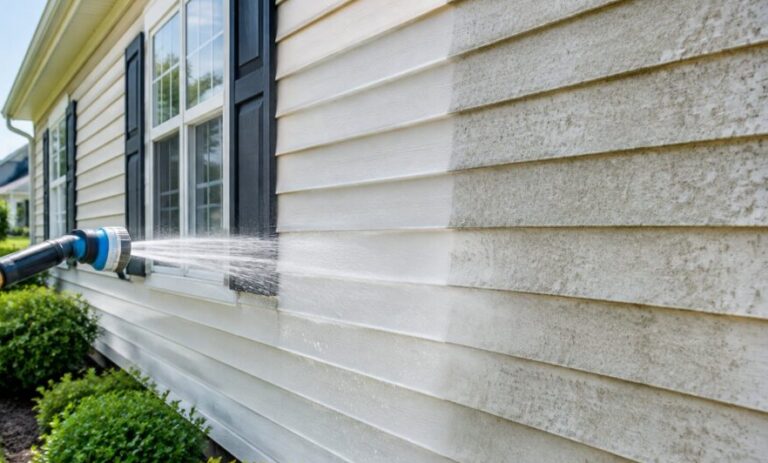
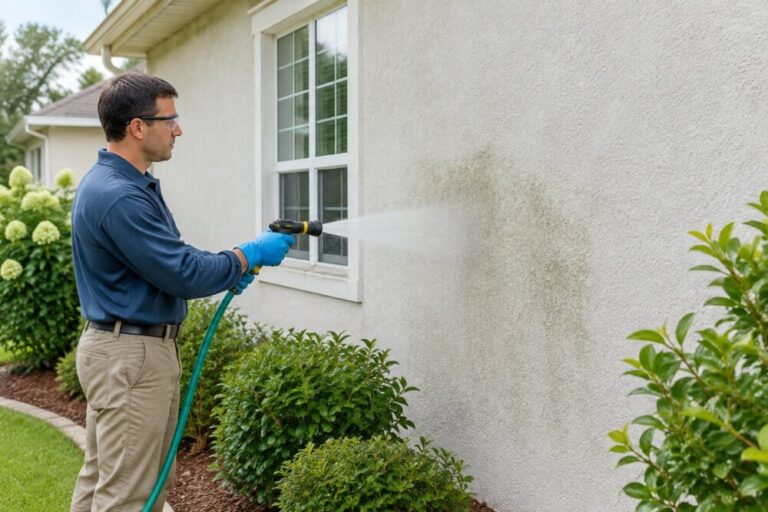
Siding and stucco are a different job. Those surfaces get a low-pressure soft wash, because high pressure can force water behind siding or chip textured stucco. If the same green or black film shows up on your walls, see how house washing in Orlando, Clermont house washing, or Minneola house washing handles it gently.
Spot-Treating Oil and Tire Marks
Oil and tire residue need spot treatment before the full cleaning. A degreaser goes on the stain first and works into the pores to loosen the oil. Then the area is cleaned along with the rest of the surface so it blends in.
Here is how the common stains compare:
- Fresh oil: Spot-treat with degreaser, then clean. Good odds of strong improvement.
- Old, set-in oil: Repeat treatments help, but a shadow may remain.
- Tire marks: Degreaser plus even pressure passes. Most lift well.
- Organic growth: Pre-treat and allow dwell time, then rinse. Expect regrowth in damp shade.
- Leaf tannins: Clean, then let sunlight finish fading what is left.
If you try this yourself, take care with the machine. The CDC warns that pressure washer spray wounds can look minor at first but still lead to infection. Never point the wand at feet, pets, or people.
Can Black Stains on Concrete Be Removed Completely?
Many can, but not all. Organic growth, dirt, and tire marks usually clean up close to the original color. Oil that has sat for months or years, and irrigation rust left too long, may lighten without disappearing.
How long a stain has been there makes a big difference. A professional crew can tell you up front what to expect so you are not surprised. You can see the full list of surfaces handled on the cleaning services page, plus local details for driveway cleaning in Orlando, Clermont driveway cleaning, and Minneola driveway cleaning. After a good cleaning, a few habits help keep the dark spots from returning quickly.
How Can You Slow the Return of Dark Spots?
You slow regrowth and new stains by cutting off moisture and catching spills early. In Florida’s humidity, no driveway stays spotless forever, but these steps stretch the time between cleanings.
Clear Leaves and Address Water That Pools
Sweep or blow off leaves, pine needles, and seed pods at least weekly during heavy drop seasons. Wet debris left on concrete stains it and feeds growth. Pay extra attention to corners and the strip along the lawn edge.
Moisture control does the most good:
- Adjust sprinkler heads so they water the grass, not the slab
- Run irrigation early in the morning so the sun can dry the concrete
- Extend downspouts so roof runoff drains onto the lawn
- Trim low branches to let more sun hit shaded areas
- Fill or seal cracks that hold standing water
Clean Up Vehicle Spills Promptly
Blot fresh oil with paper towels, then cover it with cat litter or another absorbent for several hours. Sweep it up and wash the spot with dish soap and a stiff brush. The faster you act, the less oil sinks into the pores.
If a car leaks often, a drip pan or mat under the engine area saves the concrete. Get the leak fixed too, since every drip adds to the stain. For more tips on caring for your home’s exterior, browse the pressure washing blog.
Match the Cleaning to the Cause
Black stains on concrete come from damp-loving growth, oil, tire residue, or packed-in dirt and leaves. Look at where the stain sits and how it spreads before you choose a fix. Pressure suited to bare concrete, lower pressure for pavers, and a soft wash for siding and stucco keep each surface safe.
Older oil and long-standing rust may not come out fully, so set your expectations by how long the stain has been there. If you want a clear answer on your own driveway, Essentials Pressure Washing offers free estimates for Orlando pressure washing, Clermont pressure washing, and Minneola pressure washing.
Not sure what is causing your stains? Call or text (407) 284-9438 with your address, and you will get a same-day callback with a no-obligation price.
Frequently Asked Questions
What Is the Black Stuff on My Concrete Driveway?
It is most often mold, mildew, or algae growing in damp, shaded spots. Oil drips, tire residue, and rotting leaves also leave dark marks. Check where the stain sits, because color alone cannot tell you which one it is.
How Do I Get Rid of Black Stains on Concrete?
Spot-treat oil and tire marks with a degreaser first, then clean the whole surface in even passes. Organic growth responds best to a pre-treatment with time to work before rinsing. Pavers and stamped concrete need lower pressure than plain concrete.
Are Black Spots on Concrete Always Mold?
No. Oil, tire rubber, leaf tannins, and ground-in dirt all look dark on concrete. Spots under a parked car point to oil, while a wide film in shade points to growth.
Will Dark Spots on Concrete Go Away on Their Own?
Most will not. Growth spreads as long as the slab stays damp, and oil sinks deeper over time. Leaf stains are the exception and can fade in strong sun.
Why Do Black Stains Keep Coming Back After Cleaning?
The moisture source is still there. Sprinkler overspray, shade, and pooled water give growth what it needs to return. Redirecting water and adding sun exposure helps a cleaning last longer.