Remove Mold from Stucco Safely: Clean the Surface Without Water Damage
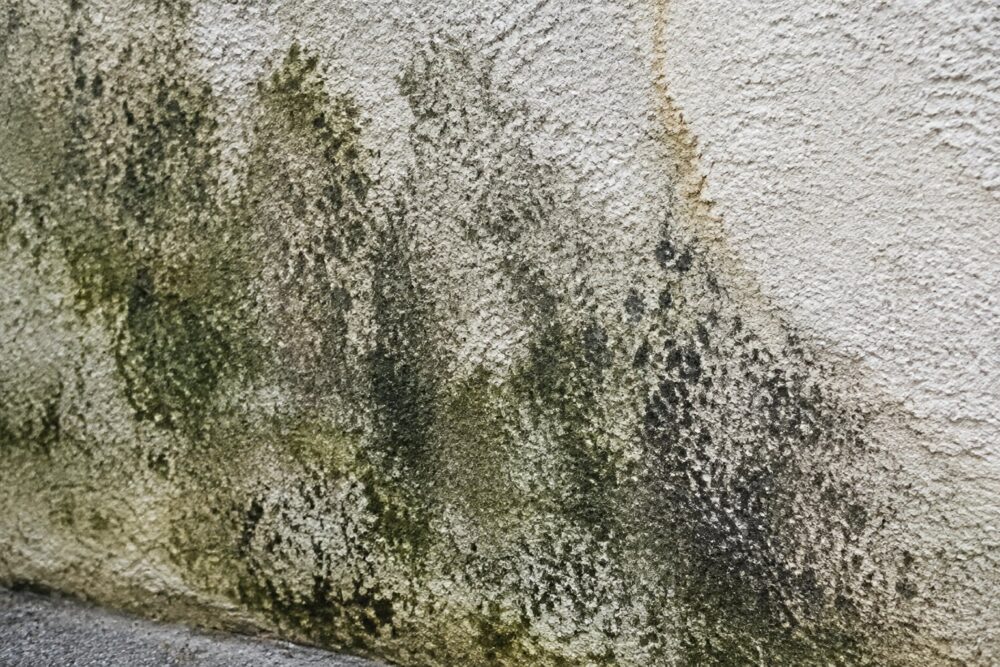
Dark spots show up on your stucco after a long, wet Central Florida summer. They spread under the eaves, behind the shrubs, and along the shady north wall. You want them gone, but you also know stucco is textured and porous. One wrong move with a pressure washer can leave you with gouges, stripes, or water pushed into the wall.
To remove mold from stucco safely, you check the wall for cracks first, then use a gentle cleaner, a soft brush, and a low-pressure rinse. Essentials Pressure Washing has cleaned stucco, siding, and driveways across Orlando, Clermont, and Minneola since 2005. In that time, the same pattern keeps coming up: the method that protects the stucco is gentle and patient, and it also gets the wall clean.
Keep reading to learn what to check before you clean, which cleaners and tools are kind to stucco, and why high pressure causes trouble. You will also learn how to tell surface growth from a deeper moisture problem. By the end, you will know whether this is a weekend job or a call for help.
What to Check Before You Remove Mold from Stucco
Before you clean, walk the wall and look closely at both the stain and the stucco around it. A five-minute check tells you whether you are dealing with surface growth or a sign of moisture inside the wall.
Mold on stucco feeds on dust, pollen, and the moisture that Central Florida supplies all year. Mold spores land everywhere, but they only grow where the surface stays damp. So the location of the stain tells you as much as the stain itself.
Can You Identify Mold by Its Color?
No. Color alone cannot tell you what a stain is. Mold can look like spots of many colors, and some give off a musty smell, as the CDC explains about mold. Mildew, algae, dirt, and even soot can all look alike from the driveway.
Look at the pattern and the place:
- Dark streaks under eaves or window sills: often organic growth fed by dripping water.
- Green film low on a shaded wall: common where sprinklers hit and the sun never dries it.
- Gray film across a sunny wall: may just be dust and pollen buildup.
- Black runs below a roof edge: can be dirty runoff, growth, or both.
You do not need a lab test to clean surface growth. The goal is to clean it gently and figure out why that spot stays wet.
Are Cracks or Damp Spots Signs of a Deeper Problem?
They can be. Stucco absorbs rain, and water can get past the stucco into the block wall behind it. Building scientists say all stucco has cracks to some degree. Small hairline cracks are normal. Wide cracks, bulges, or soft spots are a warning.
Washing over open cracks pushes water into the wall and invites moisture intrusion. Many homeowners seal minor hairline cracks first with a color-matched exterior acrylic caulk. Give the caulk about a week to cure before cleaning. If the stucco feels damp days after rain, or the paint is bubbling, stop and get the wall looked at before you clean.
How Can You Clean Surface Growth Without Damaging Stucco?
You clean stucco with a gentle cleaner, a soft-bristle brush, and plenty of low-pressure rinse water. This is the same idea behind a professional soft wash: let the cleaner do the work so the water pressure can stay low.
Soft washing fits stucco because the surface is textured and porous. High pressure blasts the texture and drives water into cracks. A low-pressure approach loosens growth without tearing at the finish. Concrete driveways are different; they are dense and flat and can take more pressure at the right setting.
Protect Plants and Test a Small Area First
Start by soaking nearby shrubs, flower beds, and grass with plain water. Wet plants absorb less cleaner. Cover delicate plants with a light tarp if overspray is likely, and rinse them again when you finish.
Next, pick a small hidden spot, such as behind a hose reel. Apply your cleaner, wait the time on the label, brush lightly, and rinse. Check it once it dries. Look for fading, chalky residue, or paint lifting. If the test spot looks good, move on to the rest of the wall.
Wear gloves and goggles without vent holes. Work on a cool, cloudy morning so the cleaner does not dry on the wall before you rinse it.
Choose a Cleaner Suited to the Stucco Finish
Your stucco finish decides your stucco cleaner. Painted stucco, bare cement stucco, and elastomeric coatings each react a little differently. Here is how common options compare:
- Commercial exterior mildew cleaner: made for outdoor walls; follow the label for mixing and dwell time.
- Bleach and water solution: kills surface growth but can fade some paints and harms plants without a good pre-soak.
- Borax and dish soap: a milder option some homeowners prefer, though it needs more scrubbing.
- Mild detergent and water: works well on dust, pollen, and light grime.
Never mix bleach with ammonia, vinegar, or other cleaners. The fumes are dangerous. Use one product at a time and rinse fully before trying another.
Use Gentle Brushing and a Thorough Low-Pressure Rinse
Work in small sections from the bottom up when applying cleaner. This keeps streaks from running down dry stucco. Use a soft-bristle brush on a long handle and scrub in light circles. Stiff wire brushes scratch the texture and can knock off paint.
Rinse from the top down with a garden hose or a low-pressure setting. Keep the water moving and do not aim straight into cracks, weep screeds, or window edges. Rinse longer than you think you need to, since leftover cleaner leaves residue in the texture.
Let the wall dry fully, then check it in daylight. Some faint staining may remain, because mold can stain porous material. If spots keep showing, the next question is whether the wall needs more than cleaning.
When Does Stucco Need More Than Cleaning?
Stucco needs more than cleaning when growth comes back fast, the wall stays damp, or the surface is cracked, soft, or bulging. Stucco mold cleaning handles what sits on the surface. It does not fix water getting into the wall.
Why Can High Pressure Make Stucco Damage Worse?
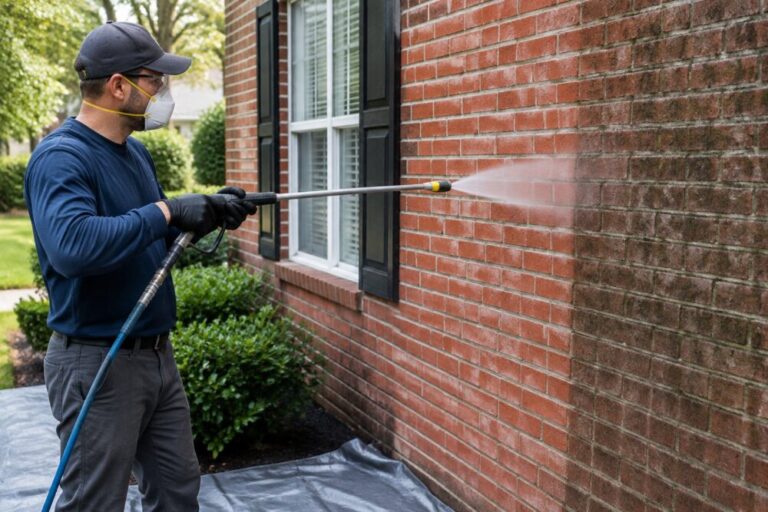
A tight, high-pressure spray cuts into the stucco texture. It can etch lines, chip edges, and strip paint that protects the wall from rain. Those “stripe marks” stay visible long after the wall dries.
The bigger risk is hidden. High pressure forces water through hairline cracks and around trim. That water soaks the stucco and the block or sheathing behind it. On a wall that already has a moisture problem, you add more water to the exact place you want dry.
Pressure washers can also hurt you. The spray can cause serious wounds that look minor at first. Save higher pressure for hard, flat surfaces like a concrete driveway, set to what that surface can take.
When Should You Seek a Stucco or Moisture Assessment?
Call a stucco contractor or moisture specialist when you see any of these signs:
- Growth returns within weeks of a careful cleaning.
- Stucco sounds hollow when tapped or feels soft.
- Paint bubbles, blisters, or peels in patches.
- Cracks are wider than a hairline or run in a stair-step pattern.
- Stains or musty smells show up on the inside of the same wall.
Size matters too. The EPA says homeowners can usually handle a moldy area under 10 square feet. A severe mold infestation covering more than that, or tied to water damage, calls for a professional. Once the wall is sound, prevention keeps the cleaning from turning into a yearly fight.
How Can You Reduce Growth on Stucco?
You reduce mold growth on stucco by keeping the wall drier. Water from sprinklers, gutters, and poor drainage keeps stucco damp, and damp stucco grows mold, mildew, and algae.
Check Sprinklers, Gutters, and Drainage
Run your sprinklers and watch where the water lands. Heads that spray the wall every morning keep the lower few feet wet all day. Turn or lower those heads so water hits the beds instead. Irrigation water can also leave rust stains, which are harder to remove than growth.
Clear gutters and make sure downspouts carry water away from the foundation. Overflowing gutters dump water down the stucco face and leave dark streaks under the roofline. Poor drainage at the base lets water splash back onto the wall during every summer storm.
Check that soil and mulch sit below the bottom edge of the stucco. When dirt piles against the wall, the stucco wicks up moisture and stays dark along the bottom.
Watch Shaded Walls for Returning Stains
North-facing walls and walls behind dense shrubs or trees dry slowly. These are the first spots to turn green or gray again. Trim plants back a foot or more from the wall to let air move and sunlight reach the stucco.
Look at shaded walls every few months, especially after the rainy season. Catching light growth early means a gentle wash clears it. Heavier growth on shady walls needs more treatment time, and more time on the wall is safer than more pressure.
Choose Gentle Cleaning and Address the Source of Moisture
The safe way to clean mold off stucco is to inspect first, clean gently, and then fix the water that let the growth start. Soft washing protects the porous, textured surface. Fixing sprinklers, gutters, and drainage keeps the stains from coming right back. If cracks, damp spots, or fast regrowth show up, get a stucco or moisture assessment before more washing.
If you would rather hand the job off, Essentials Pressure Washing uses a low-pressure soft wash for stucco, siding, and painted block. The crew checks the wall for damage first and rinses your landscaping before and after. You can see the full list of house washing and driveway services, or go to your area:
- Orlando house washing, pressure washing in Orlando, and Orlando driveway cleaning
- Clermont house washing, pressure washing in Clermont, and Clermont driveway cleaning
- Minneola house washing, pressure washing in Minneola, and Minneola driveway cleaning
Send your address and tell us what needs cleaning. Call or text (407) 284-9438 for a free estimate, with no obligation and a same-day callback.
Frequently Asked Questions
What Kills Mold on Exterior Stucco?
Commercial exterior mildew cleaners and diluted bleach products kill surface growth on stucco. Follow the label, pre-soak plants, and rinse well with low pressure. Killing the growth helps, but drying the wall keeps it from returning.
Can I Clean Mold off Stucco Without a Pressure Washer?
Yes. A pump sprayer, a soft-bristle brush, and a garden hose handle most light growth. This approach is often safer for stucco, since it keeps water out of cracks.
Will Vinegar Damage Painted Stucco?
Vinegar is acidic and can dull some paints and react with cement-based stucco. Test a hidden spot first if you plan to use it. Never mix vinegar with bleach, because the fumes are harmful.
How Can You Tell Whether Black Stains on Stucco Are Mold?
You cannot confirm it by color alone. Location gives clues: stains near drips, sprinklers, or shade are likely organic growth, while even gray film may be dirt. A test spot with cleaner usually shows the difference, since growth lightens fast.
Who Should I Call if Mold Keeps Returning After Stucco Cleaning?
Call a stucco contractor or moisture specialist if growth returns within weeks or the wall feels damp. Fast regrowth points to water getting into the wall. Once that is fixed, a professional soft wash keeps the surface clean. You can find more tips on the Essentials Pressure Washing blog or the home page.