Green Driveway Growth: Why It Appears and How to Clean It Safely in Florida
Green growth on a driveway shows up first where the slab stays wet. Common spots are the strip under an oak canopy, the corner your sprinklers hit every morning, and the low end where rainwater sits after an afternoon storm. In Central Florida, that green film can spread across concrete or pavers within one humid season.
A green driveway is a moisture problem first. You clean it safely by matching the method to the surface: controlled pressure for sound concrete, lower pressure for pavers, and spot treatment for heavy growth. Essentials Pressure Washing has cleaned driveways across Orlando, Clermont, and Minneola since 2005, and damp, shaded slabs are among the most common jobs.
Keep reading to find out what keeps your driveway damp and how concrete and pavers need different care. You’ll also see which habits slow regrowth. By the end, you’ll know whether to handle it yourself or call for help.
Why Does Green Growth Appear on a Driveway?
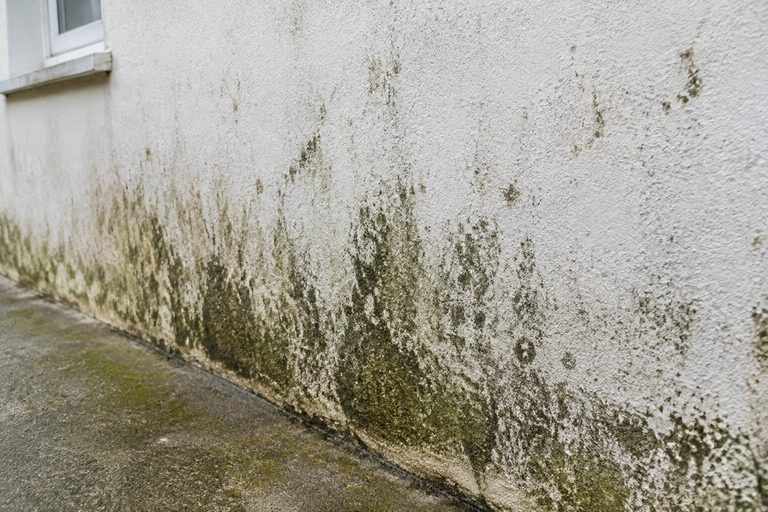
Green growth appears where your driveway stays damp long enough for organic growth to take hold. Concrete and paver joints hold moisture, and Florida rarely gives them a full chance to dry.
You can’t tell exactly what the growth is by color alone. It might be algae, moss, mildew, or a mix. Algae are photosynthesizing organisms without true roots or stems, as University of Florida IFAS explains. Growth like that needs light and steady moisture, so it settles on the wettest patches of your slab.
The pattern on your driveway is a useful clue. Growth that follows a shadow points to shade. Growth in a fan shape points to sprinklers. Growth at the bottom of the slope points to drainage.
How Do Shade and Florida Humidity Keep a Driveway Damp?
Shade slows drying. A slab in full sun can dry by midmorning, while a shaded section may stay wet for hours.
Central Florida humidity makes that gap worse. Morning dew, summer storms, and heavy air keep shaded concrete cool and wet for much of the day. Over time, the surface turns gray green, then darker green along the edges.
Watch for these shade sources:
- Oak, palm, or magnolia trees hanging over the driveway
- The north side of a house or garage
- Tall hedges or fences along the edge of the slab
- Cars parked in the same spot every day
Where Do Sprinklers and Poor Drainage Leave Wet Spots?
Sprinkler overspray keeps the same strip of driveway wet several times a week. If a head points at the slab, that fan-shaped wet area turns green first. If you use well water, it may also leave orange rust stains.
Water drainage and driveway slope matter too. Water runoff from the roof, lawn, or street follows the slope and pools at low corners. Cracks and expansion joints (the cut lines in concrete) also trap water and dirt, which gives growth a place to hold on.
Once you know which of these causes fits your driveway, you can plan a safe way to clean it.
How Should You Clean a Green Driveway?
Start by spotting the type of surface and its condition, then choose the pressure that surface can handle. Concrete, permeable pavers, interlocking pavers, and stone pavers all respond differently to water force.
Heavy growth gets spot treated first. Then the surface is cleaned in even passes, and the edges, cracks, and joints get detail work. A final rinse clears loose debris off the slab and away from beds.
What Should You Check Before Cleaning?
Walk the driveway before you spray anything. Small problems become bigger ones once water pressure hits them.
Check for:
- Spalling, which is flaking or pitting on the concrete surface
- Wide cracks or loose chips along the edges
- Low joint sand or sunken pavers
- Oil spots and rust stains that need separate treatment
- Plants, outlets, and car parts that should stay dry
Safety counts too. The CDC warns pressure washer spray can cause serious wounds that first look minor. Wear closed shoes, and keep kids and pets well away from the work area.
How Does Cleaning Concrete Differ From Cleaning Pavers?
Sound concrete is one solid slab, so it can take more pressure than siding or pavers can. A surface cleaner (a round tool that spins the spray under a cover) gives an even finish with no stripe marks. A handheld wand held at one angle tends to leave zebra stripes.
Pavers are separate units set in sand. Interlocking pavers rely on that joint sand to stay tight. Permeable pavers have wider gaps filled with coarse stone so water can drain through. Stone pavers can be softer or more uneven than concrete pavers.
Here’s how the surfaces compare:
- Sound concrete: Moderate to higher pressure with a surface cleaner, plus spot treatment on heavy growth
- Old or spalling concrete: Lighter pressure, with more treatment time
- Interlocking pavers: Lower pressure to keep joint sand in place
- Permeable pavers: Gentle cleaning that leaves the drainage stone in the gaps
- Stone pavers: Low pressure after you check the stone’s condition
Why Can Too Much Pressure Damage Pavers and Joints?
High pressure blasts sand out of paver joints. Once the joints empty, pavers shift, edges chip, and weeds and growth move right back into the gaps.
On concrete, too much force at close range etches the surface. You get rough lines that hold more dirt and moisture. On heavily shaded, stained slabs, extra treatment time works better than extra pressure.
After cleaning pavers, joints often need fresh sand. Polymeric sand isn’t porous, which means water runs off it. Permeable paver sand lets water drain through, though it may need topping up over time. That choice also affects how wet your driveway stays later.
How Can You Reduce Repeat Green Growth?
You slow regrowth by cutting down how long your driveway stays wet. Cleaning removes what’s there now, but damp conditions will bring it back.
No cleaning method stops growth for good in Florida. You can stretch the time between cleanings, though, by fixing the causes you found earlier.
Address Shade, Sprinkler Overspray, and Standing Water
Start with the easy fixes. Small changes to water and light make a visible difference on a shaded slab.
- Turn sprinkler heads so they water the lawn, not the concrete
- Water in the early morning so the slab dries during the day
- Trim low branches to let more sun reach the driveway
- Clear leaves and debris from edges, where they hold moisture
- Point downspouts away from the slab or toward a planted area
- Sweep standing water off low corners after storms
If water pools in the same spot after every rain, the slope may be the cause. A contractor who works on concrete or drainage can tell you if regrading or a drain makes sense.
Keep Up With Surface-Matched Driveway Maintenance
Regular driveway maintenance keeps light growth from turning into heavy staining. A quick rinse or sweep of shaded strips is easier on the surface than a deep clean after years of buildup.
Use the same method each time. Clean concrete at the pressure it can take and pavers at a lower setting. Check joint sand after each cleaning, and refill low spots before weeds and growth settle in.
Some driveways stay green no matter how often you rinse them. That’s often when it makes sense to bring in help.
When Is Professional Driveway Cleaning Worth Considering?
Professional cleaning makes sense when growth is heavy, the surface is old or fragile, or you have pavers you don’t want to damage. It also helps when you have rust or oil spots mixed in with the green.
Tom’s situation is common: a house going on the market with a driveway that looks worn next to nearby listings. Business owners with a green entry walkway face the same problem with customers. In both cases, an even finish matters more than a quick blast.
What Should You Ask About Surface Condition and Cleaning Methods?
Ask how the crew will match the method to your surface. A good answer names your surface type and what they will do with it.
Questions to ask:
- Will you walk the driveway and check for cracks or spalling first?
- What pressure will you use on my concrete or pavers?
- How do you treat heavy growth, rust, and oil before the main pass?
- Do you use a surface cleaner to avoid stripe marks?
- How will you protect my plants and beds?
- Will you clean the edges, cracks, and expansion joints?
Since 2005, our driveway and house washing services have followed that order: walk the property, protect landscaping, clean with the right method, and rinse down at the end.
What Results Are Realistic for Heavy or Recurring Growth?
Most green growth lifts with the right treatment and an even cleaning pass. Deep staining on a heavily shaded slab may lighten more than it disappears on the first visit.
Rust from irrigation water is different. How much comes out depends on how long the stain has been there. Older concrete with spalling will look cleaner, but it won’t look like a new pour.
Growth will return if the slab keeps staying wet. That’s why the cleaning method and the shade and water fixes go together.
Choose a Cleaning Method That Fits Your Driveway
Clean your green driveway by fixing the dampness and matching pressure to the surface. Sound concrete takes controlled pressure with a surface cleaner. Pavers need a lighter touch that keeps joint sand in place.
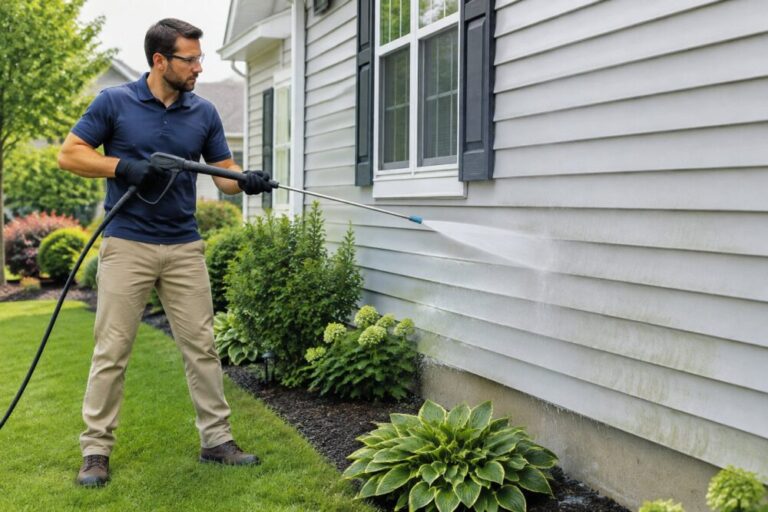
Soft washing belongs on your house, not on the slab. Siding and stucco get low pressure because they can be scarred or forced open by strong spray. If your walls are turning green too, see house washing in Orlando, Clermont soft wash service, or Minneola house washing.
For the driveway, local pages cover driveway cleaning Orlando, Clermont driveway cleaning, and Minneola driveway cleaning. You’ll also find pressure washing Orlando FL, pressure washing in Clermont, and Minneola pressure washing. More tips live on our exterior cleaning blog.
Not sure which method fits your surface? Send your address to Essentials Pressure Washing or call or text (407) 284-9438. You’ll get a free estimate with no obligation, and a same-day callback.
Frequently Asked Questions
Is the green growth on my driveway algae?
It may be algae, but color alone can’t confirm it. Green film on a driveway can be algae, moss, mildew, or a mix. The cleaning approach is similar, and the cause is the same: a surface that stays damp.
Can green growth make a driveway slippery?
Yes, green film can make concrete and pavers slick, mostly when they’re wet. Shaded walkways and sloped driveways are the riskiest spots. Cleaning the growth and drying out those areas both help.
Can you pressure wash a green concrete driveway?
Yes, sound concrete can be pressure washed at a setting it can handle. Heavy growth should be spot treated first, and a surface cleaner gives an even finish. Old or spalling concrete needs lighter pressure.
How do you clean green growth from pavers without disturbing the joints?
Use lower pressure and keep the spray from digging into the joints. Treat heavy growth before cleaning so you don’t need extra force. Refill low joints with sand once the pavers dry.
Will green growth come back after driveway cleaning?
Yes, it can return if the slab keeps staying wet. How fast depends on shade, sprinkler overspray, and drainage. Fixing those conditions and keeping up with light maintenance slows regrowth.