Commercial Pressure Washing for Central Florida Businesses: What to Expect
Mildew creeps across the stucco beside your front door. A gray-green film spreads over the sidewalk where customers walk in. In Central Florida, that buildup comes back every humid summer, and people notice it before they ever reach your counter. Commercial pressure washing clears that grime from walls, entrances, and walkways so your property looks cared for again.
Essentials Pressure Washing has been cleaning these same surfaces in Orlando, Clermont, and Minneola since 2005. That long stretch of Florida humidity teaches one clear lesson. The best results for a business exterior come from matching the cleaning method to each surface. That means a low-pressure soft wash for stucco and siding, and the right pressure for concrete. That approach helps protect your building while it restores curb appeal.
In this guide, you’ll learn how to judge a commercial pressure washing provider. You’ll see what a good provider should clean, how they should work around your business, and what their quote should show. By the end, you’ll be able to compare providers with confidence and pick one that fits your building.
Which Surfaces Should a Provider Be Able to Clean?
Most of the outside of a small commercial building can be cleaned. That runs from stucco walls and painted block to concrete sidewalks and paver walkways. Each surface holds different stains, so each one needs its own approach.
Where Does Commercial Pressure Washing Fit?
Commercial pressure washing services cover the parts of your property that customers see and walk on. A capable provider should handle both groups below.
For storefronts, small offices, and retail buildings, the work usually splits into two groups:
- Building exteriors: stucco, siding, brick, painted block, soffits, fascia, and trim
- Hard surfaces: sidewalks, walkways, entry pads, and concrete or paver areas near the door
Many providers price these as one job or two. For a closer look at both groups, see commercial exterior cleaning.
Building Walls, Entrances, and Storefront Exteriors
North-facing walls and shaded entrances stay damp longer, so green and black growth shows up there first. A good provider washes siding, soffits, fascia, gutter faces, and trim, so the whole front looks even. Commercial building cleaning lists everything an exterior visit should cover.
Before any washing starts, the crew should check for cracked stucco, loose trim, and openings that need to stay dry. Outlets, light fixtures, and signs near the entrance get noted at this stage too.
Sidewalks and Other Hard Surfaces
Sidewalks and walkways hold the heaviest buildup on most commercial lots. Gum, foot traffic grime, and organic growth darken concrete fast in shaded spots. Sprinklers leave orange irrigation rust along edges.
Commercial power washing on concrete clears this buildup in even passes. Edges, cracks, and expansion joints need detail work, since dirt packs into those lines. Pavers take a lower-pressure approach so the joint sand stays in place.
Rust and old oil stains are harder. How much comes out depends on how long the stain has been there. With the surfaces mapped out, the next test is how a provider plans to clean each one.
How Should a Provider Match the Method to the Surface?
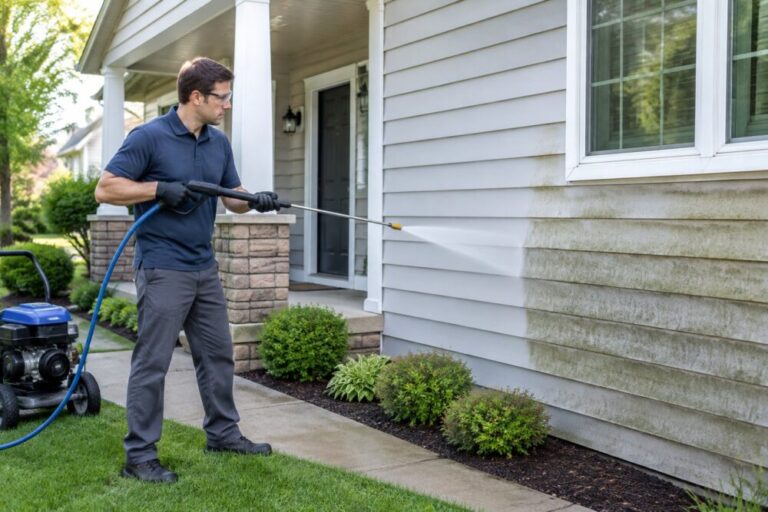
A good provider uses the gentlest method that will clean each surface. Painted and textured walls get a soft wash system, while concrete gets professional pressure washing at a setting it can handle.
When Is Soft Washing Safer for Stucco or Siding?
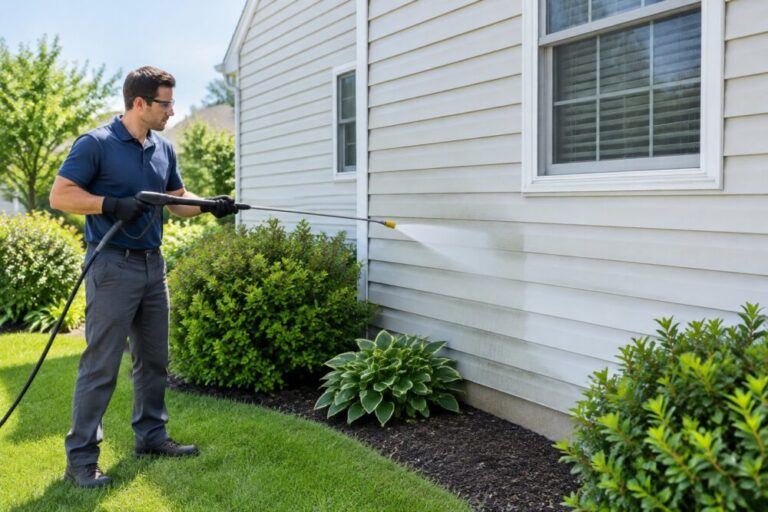
Soft washing uses low water pressure and a cleaning solution to break down mold and mildew. High pressure on stucco can chip the texture, force water behind the surface, and leave stripe marks. On siding, strong spray can lift panels or strip paint.
Heavily shaded walls with thick organic staining get more treatment time, not more pressure. A provider who explains this without being asked knows the surface.
How Are Brick, Concrete, and Stained Areas Handled?
Brick and painted block on a building wall are also cleaned with a low-pressure soft wash. Older brick and mortar joints wear down under strong spray, so gentle cleaning protects them.
Concrete sidewalks are tougher. They can take more pressure, which helps clear ground-in dirt, algae, and tire marks evenly. Stained areas get spot treatment first:
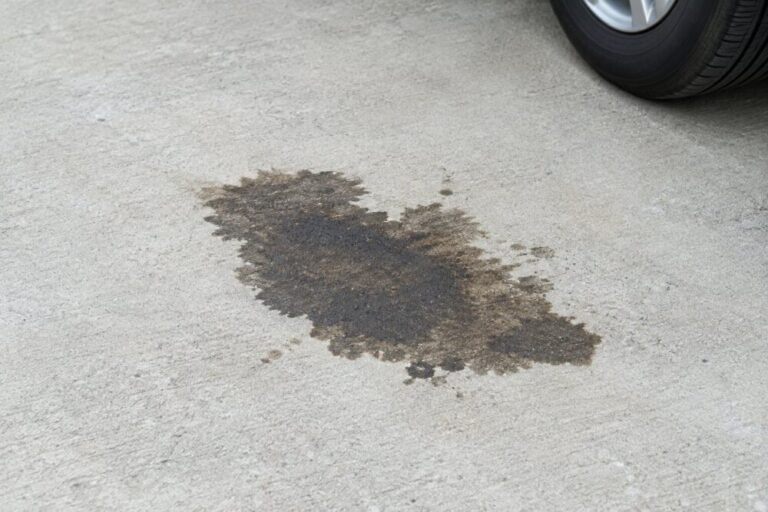
- Oil spots: pretreated before washing; old, deep oil may leave a shadow
- Irrigation rust: treated separately; results depend on how long the stain has set
- Heavy organic growth: treated with solution, then cleaned in even passes
- Pavers: cleaned at lower pressure to keep joint sand in place
How a provider plans the work day is just as telling as the method.
How Should a Provider Work Around Your Business?
A good provider plans the job around your hours, your entrance, and the people walking in. Most small properties can stay open with a few simple steps in place.
Scheduling Around Customers and Staff
Start by telling the crew your busiest hours. Early morning before opening works well for storefronts and offices. Some businesses prefer a slow weekday afternoon.
Working in sections keeps one entrance open at all times. The crew can clean the side wall first, then the front, then the sidewalk. Staff parking and delivery areas should be part of the plan too.
Whether you need pressure washing in Orlando or pressure washing in Clermont, ask whether weekend or early slots are open. Seven-day schedules make it easier to avoid your peak hours.
Keeping Foot Traffic Clear of the Work Area
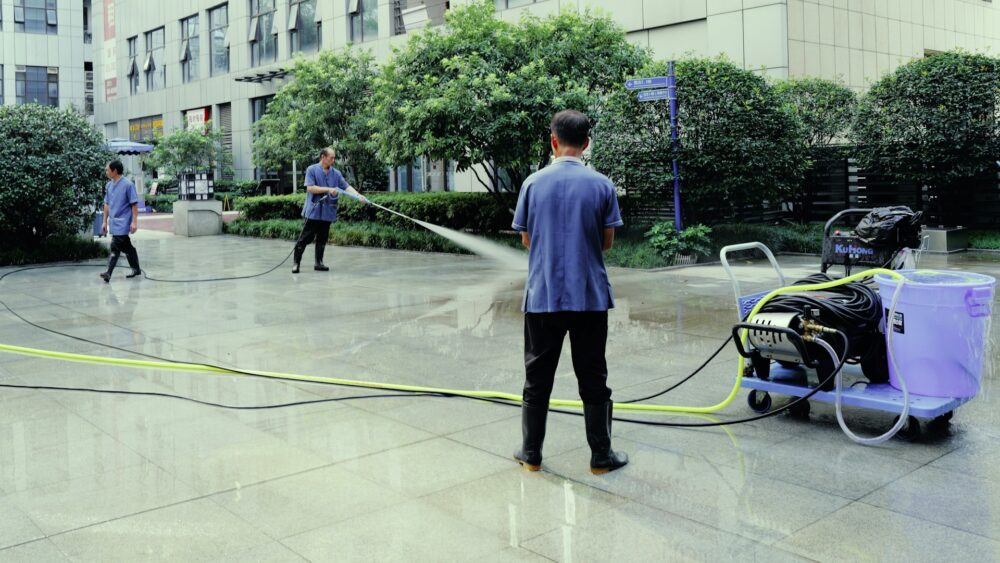
Wet concrete gets slick, and spray can throw debris. The CDC warns that a pressure washer’s fast, strong spray can throw objects that injure people nearby. That makes a clear work zone a must.
Expect the crew to block off the section being cleaned and point customers to an open door. Hoses should run away from walkways. Your own staff matters here too. Federal rules require employers to keep walking-working surfaces free of hazards like spills and leaks. Keep employees off freshly washed walkways until they drain.
Checking Surfaces and Rinsing at the End
A good provider ends with a walk-around, checking for missed spots, streaks on stucco, and stripe marks on concrete. Landscaping is rinsed before and after, and the sidewalk is left clear and draining before customers walk through.
Once you know how a provider should run the day, the next test is the quote.
What Should a Provider’s Quote Show?
Commercial pressure washing prices come down to how much surface there is, what it is made of, and how much buildup has to come off. A good quote shows how each of those shaped the number.
Surface Area, Material, and Buildup
Larger walls, longer sidewalks, and two-story buildings take more time. Stucco walls and concrete walks need separate methods, and a shaded wall with thick mildew needs longer treatment. Ask the provider to explain which of these drove your price.
Why a Clear Scope Matters More Than a Flat Rate
A flat per-square-foot price can hide what is left out. One quote might cover walls only, while another includes soffits, gutter faces, and the front walk. A clear scope lets you compare fairly.
A good commercial cleaning quote should list:
- Which walls and sides of the building are included
- Whether soffits, fascia, trim, and gutter faces are covered
- Which sidewalks, walkways, or entry pads are included
- How oil, rust, and heavy growth will be treated
- Any stains that may not fully come out
You can ask for one estimate that covers walls and hard surfaces together. That makes a written scope even more useful when you start comparing providers. To see how a wash scope and quote come together, read about commercial building washing.
How Do You Choose a Provider for Your Property?
The right commercial pressure washing company will explain what it cleans, how, and when, in plain terms. Clear answers before the job are the best sign of a clear job.
| Ask the provider | A good answer sounds like |
|---|---|
| Which method for each surface? | Soft wash for walls, the right pressure for concrete, lower pressure for pavers |
| What will the quote cover? | A written list of walls, soffits, trim, and sidewalks |
| Which stains may stay? | A straight answer about old rust and deep oil |
| How will customers get in? | Work in sections, with one entrance kept open |
| How is the work area kept safe? | Blocked-off zones and hoses run away from walkways |
Ask Which Surfaces and Stains the Quote Covers
Ask the provider to walk through each surface on your property. They should name the method for stucco, brick, concrete, and pavers. If one method is used everywhere, ask why.
Ask about stains you can see today. Honest providers tell you up front when old rust or deep oil may leave a mark. That answer protects you from paying for a promise no one can keep.
A customized cleaning plan should also note fixtures, signs, outlets, and landscaping that need protection.
Discuss Access, Business Hours, and Method Choice
Tell the provider where customers enter, where staff park, and when deliveries arrive. Ask how they will section the work so one door stays open. Confirm where water and hoses will run.
Before you sign, cover these points:
- Timing: start time, length of the job, and weekend options
- Access: gates, water spigots, and areas that must stay clear
- Method: soft wash for walls, pressure setting for concrete, lower pressure for pavers
- Communication: a confirmed visit and same-day replies to questions
Local experience counts in Central Florida. A crew that knows how fast mildew returns in humid shade can plan treatment time well.
Choose a Surface-Matched Clean for Your Business
A clean exterior tells customers your business is cared for. The safest way to get there is a soft wash for stucco, siding, and brick, and the right pressure for concrete sidewalks. Ask for a written scope, plan around your hours, and keep foot traffic clear while surfaces dry.
Essentials Pressure Washing has cleaned Central Florida exteriors since 2005 and matches the method to every surface. Send your address and what needs cleaning, and you’ll get a straightforward price. You may hear back the same day. Get a free estimate or call or text (407) 284-9438, with no obligation.
Frequently Asked Questions
How Do I Compare Two Commercial Power Washing Quotes?
Line them up by scope, not just price. Check which walls, soffits, trim, and sidewalks each one covers and how stains will be treated. A lower number often means fewer items on the list.
What Are Red Flags When Hiring a Pressure Washing Company?
Watch for one high-pressure setting used on every surface and a vague scope like “clean front of building.” A promise that every old stain will vanish is another warning sign.
Should a Provider Use the Same Pressure on Every Surface?
No. Stucco, siding, and brick call for a low-pressure soft wash, while sound concrete can take higher pressure. Pavers need lower pressure to keep joint sand in place. If a provider uses one method everywhere, ask why.
What Should I Ask a Commercial Pressure Washing Company Before Booking?
Ask which surfaces and stains the quote covers, and which method they use on each one. Ask how they will keep your entrance open and customers safe. Ask which stains, like old rust or deep oil, may not fully come out.