Brick Cleaning for Florida Homes: How to Remove Grime Without Damaging Mortar
Look at a brick home in Orlando, Clermont, or Minneola after a long, wet summer. You often see green or black streaks under the eaves. A white chalky film may creep along the base of the wall. Dark patches can also show up on the side that never gets sun. For most brick, the safest cleaning is a low-pressure soft wash with a cleaner matched to the stain, plus a soft brush for stubborn spots. The right method still depends on the condition of your brick and mortar. High-pressure blasting is what tends to chip brick faces and wash out mortar.
Central Florida is hard on masonry. Humidity stays high for most of the year, and afternoon storms keep shaded walls damp. Sprinklers also splash the lower courses every morning. The Essentials Pressure Washing crew has worked on homes here since 2005 and sees the same pattern again and again. The brick itself is sturdy, but the mortar between it needs a gentle touch.
In this guide, you’ll learn when pressure is safe on brick and when it isn’t. You’ll see how to clean exterior brick step by step and which stains need a different plan. You’ll also learn what to ask a pro before you hire one. By the end, you’ll know which method fits your wall and what results to expect.
Is Pressure Washing Safe for Brick and Mortar?
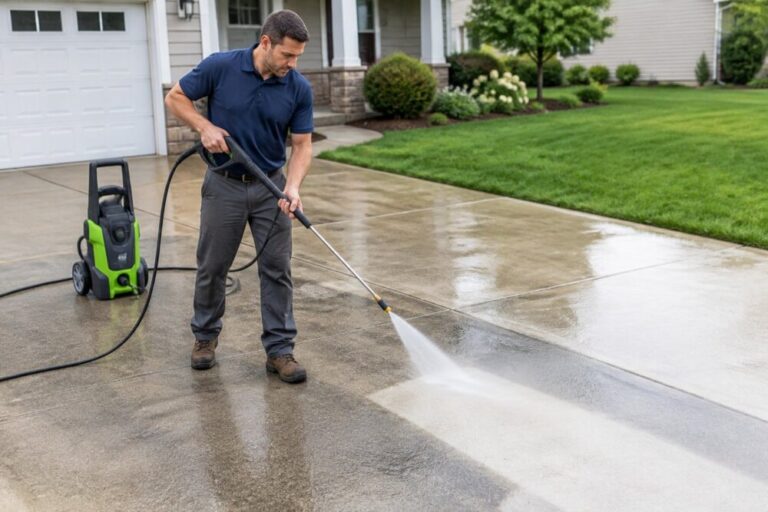
Pressure washing brick is safe only at low settings, and older walls need even less force. Your concrete driveway can take much more force, because brick and mortar wear away faster under a strong stream.
Why Older or Soft Brick Needs Extra Care
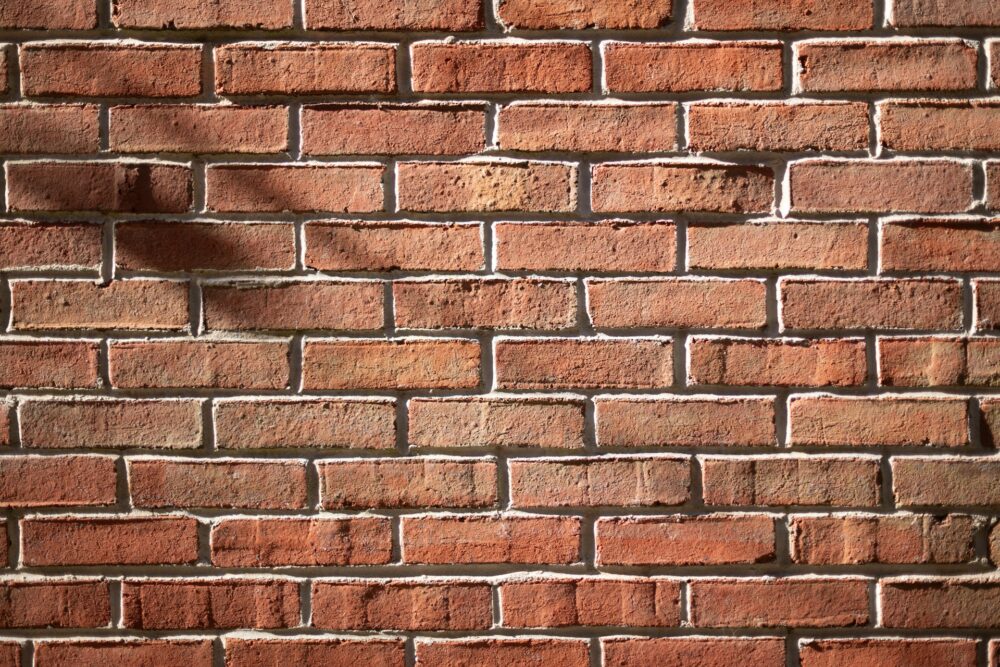
Brick is fired clay. The outer face is the hardest part and works like a protective skin over a softer core. Once that skin is worn or chipped, water soaks in faster and the brick weathers more quickly.
Older homes add a second concern. Many were laid with softer, lime-based mortar that erodes more easily than modern mortar. Handmade or low-fired brick can be soft enough to scratch with a key.
Before any cleaning, press a fingernail or coin into a hidden joint. If the mortar crumbles or turns to sand, keep water pressure very low or have the wall assessed first.
When a Soft Wash Is the Safer Choice
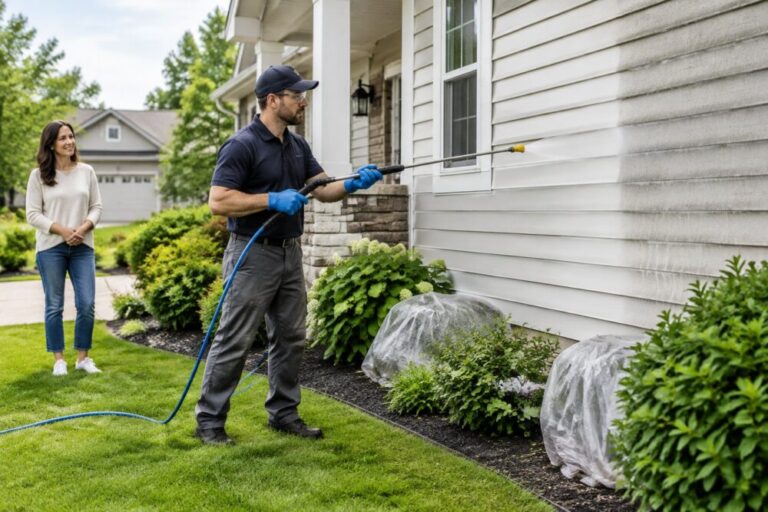
A soft wash uses low water pressure and a cleaning solution that does most of the work. The solution sits on the wall for a set time, called dwell time, to break down mold and grime. Then the wall is rinsed. Little force touches the brick face or the joints.
This is the same idea professionals use in house siding cleaning on vinyl and stucco. Low pressure protects those surfaces too, and a soft wash often fits brick for the same reason. The National Park Service’s masonry cleaning guidance advises starting at 100 PSI or below, even with a garden hose. PSI means pounds per square inch. It says to rise only as needed and generally stay at no more than 300 to 400 PSI.
A soft wash for brick is the better pick when:
- Your brick is painted, older, or soft to the touch
- Mortar joints show cracks, gaps, or sandy spots
- The main problem is mold, mildew, or algae on shaded walls
- Plants, windows, or wood trim sit close to the area being cleaned
What High Pressure Can Do to Brick Faces and Mortar Joints
A narrow, high-pressure stream acts like sandpaper. It can etch the brick face and leave light-colored stripes where the nozzle passed. The same masonry guidance shows a row of brick marked with a horizontal line of abrasion after a high-pressure rinse.
Mortar suffers next. Strong spray can dig out joints and open gaps, and those gaps let rain behind the wall. Water forced into those gaps can reach framing or interior walls, especially during Florida storm season.
The damage stays after the dirt is gone. Repointing joints (replacing worn mortar) costs far more than a careful wash. That makes the step-by-step method below worth following.
How Do You Clean Exterior Brick Safely?
Cleaning exterior brick safely comes down to four steps: inspect, wet, clean gently, and rinse low. Each step guards against a common mistake, such as soaking dry plants in cleaner or scrubbing too hard on a soft spot.
Inspect the Brick and Protect Nearby Landscaping
Walk the full wall first. Look for loose or spalled brick (brick with flaking faces), cracked joints, and gaps around windows and hose bibs. Fix any open joints before washing, or water will go straight through them.
Note what needs to stay dry, like outlets, light fixtures, and vents. Cover them or work around them.
Then deal with the plants. Rinse beds and shrubs with plain water before you start, so the leaves don’t absorb cleaner. You can also lay a tarp over soil near the wall. Rinse the plants again when you finish.
Wet the Surface and Test a Small Area
Soak the brick with a garden hose from top to bottom before applying any cleaner. Wet brick absorbs less solution, which helps prevent streaks and stains. Wet the wall below your work area too, so runoff doesn’t leave drip lines.
Next, test a spot that’s out of sight, like a corner behind a shrub. Apply your cleaner, let it sit, brush lightly, and rinse. Check the spot once it dries for fading, haze, or a color change.
Heat matters here in Florida. Cleaners only work while wet, and summer sun dries them fast. Work in small sections on hot days, and favor mornings or the shaded side of the house.
Use a Suitable Cleaner and a Soft-Bristle Scrub Brush
Match the cleaner to the stain. Organic grime like mold, algae, and leaf stains responds to a detergent-style or mildew cleaner. Mineral stains like efflorescence call for a different product, covered in the next section.
Skip muriatic acid on older brick. The NPS brief warns it can dissolve lime-based mortar and damage brick. It can also leave chloride deposits behind.
Use a natural or synthetic scrub brush with soft bristles. Never use a wire brush. Metal scratches the brick face and can leave tiny bits of steel that rust into orange spots. Scrub with light, even strokes and let the cleaner do the heavy lifting.
Rinse Gently and Check the Brick After It Dries
Rinse from top to bottom with low pressure until no foam or residue remains. Leftover cleaner can leave a haze or feed new staining. Keep the nozzle at a steady distance and keep it moving.
Wait a day or two, then look again. Brick looks darker while wet and hides spots it missed. A dry wall shows you where to touch up and whether any stain needs a different treatment.
Which Brick Stains Need a Different Approach?
Mold, efflorescence, and soot are the three brick stains that often need more than a basic wash. Each has a different cause, so each calls for a different cleaner or extra time.
| Stain | Common cause | Approach |
|---|---|---|
| Mold, mildew, or algae | Shade, sprinklers, and humidity | Soft wash with a mildew cleaner and longer dwell time |
| Efflorescence | Water carrying salts through the wall | Dry brushing or a mineral-deposit cleaner, then fix the water source |
| Soot | Grills, fireplaces, and chimney tops | Degreasing cleaner and patient scrubbing; may only lighten |
| Rust or paint overspray | Metal fixtures and nearby painting | Gentle, stain-specific treatment; may not fully lift |
Mold and Mildew in Shaded Areas
Green, gray, or black growth shows up first on north-facing walls, under thick trees, and behind shrubs. Shade and morning sprinklers keep the brick damp, and Florida humidity does the rest. Rough brick texture gives spores plenty of places to hold on.
A soft wash with a mildew cleaner handles most growth. Heavy buildup needs longer dwell time or a second application. Adding pressure only puts the mortar at risk.
If you clean mold yourself, protect your skin, eyes, and lungs. The CDC’s mold cleanup guidance says to use no more than 1 cup of bleach per gallon of water. It also warns never to mix bleach with ammonia or other cleaners. Trimming branches and redirecting sprinkler heads slows regrowth.
White Efflorescence and Its Moisture Source
Efflorescence is the white, powdery crust that forms on brick and mortar. Water moves through the wall and carries salts to the surface. When the water dries, the salts stay behind.
Dry brushing often removes light efflorescence. Thicker crust needs a cleaner made for mineral deposits. Regular mildew cleaners won’t touch it.
Cleaning only treats the symptom. If the white film returns, find the water source. Common culprits include:
- Sprinklers hitting the wall
- Gutters overflowing near the brick
- Soil or mulch piled against the lower courses
- Cracked mortar letting rain in
Soot and Other Stains That May Not Fully Lift
Soot from grills, fireplaces, or chimney tops bonds into the pores of brick. Degreasing cleaners and patient scrubbing lighten it, but deep or old soot may leave a shadow. The same goes for rust from metal fixtures, paint overspray, and stains that have soaked in for years.
Plan for improvement, not perfection, on these. A gentle method that removes most of a stain is a better trade than a harsh one that removes the stain and the brick face with it. A walk-through by someone who cleans brick often helps you set expectations before any work starts.
When Is a Brick Cleaning Service Worth Calling?
A brick cleaning service is worth calling when the wall is tall, the mortar looks weak, or the growth covers large areas. Ladders, chemicals, and a pressure washer on a two-story wall add risk fast. A pro who matches the method to the surface can clean the brick and protect it at the same time.
Signs the Brick or Mortar Needs an Assessment First
Some walls need a look from a trained eye before anyone sprays them. Watch for:
- Mortar that crumbles, falls out, or sits recessed behind the brick
- Brick faces that flake, pop off, or feel powdery
- Stains that came back soon after a past cleaning
- Stair-step cracks running through the joints
- Signs of water inside, like stained drywall near a brick wall
Any of these means the wall may need repair before washing. Water cleaning on damaged masonry can make the problem worse.
What to Ask About Methods, Plant Protection, and Expected Results
Ask direct questions before you hire anyone for exterior brick:
- What pressure will you use on my brick? You want to hear “low pressure” or “soft wash,” along with a reason.
- What cleaner, and for which stain? Mold and efflorescence need different products.
- How will you protect my plants? Rinsing before and after is a good sign.
- What might not come out? An honest answer about soot, rust, or old stains shows experience.
- Do you walk the property first? An inspection catches loose brick and open joints.
A company that treats each surface differently is also a good fit when you have more than brick to clean. Look for clear exterior cleaning services that separate gentle house washing from driveway work. Concrete takes more pressure, so driveway cleaning calls for a different setup than a brick wall does.
Choose the Gentlest Method That Cleans Your Brick
Start with the lowest pressure and mildest cleaner that gets the job done, and step up only when you need to. For most Central Florida brick, that means a soft wash, a stain-matched cleaner, and a soft brush. Mold needs dwell time, efflorescence needs its water source fixed, and old soot may only lighten.
If you’d like a pro to look at your wall, Essentials Pressure Washing has cleaned Central Florida homes since 2005. Brick gets the same low-pressure approach used for siding and stucco. The family-run crew offers house washing in Orlando and serves Clermont and Minneola too.
When you’re ready, call or text (407) 284-9438 or visit the Essentials Pressure Washing homepage to get a free estimate. There’s no obligation, and you may get a same-day callback.
Frequently Asked Questions
Can Pressure Washing Damage Brick Mortar?
Yes, high pressure can dig out mortar joints and etch brick faces. Older homes with soft, lime-based mortar are most at risk. Low pressure or a soft wash cleans the wall without opening gaps that let water in.
What Is the Best Thing to Clean Outdoor Brick With?
A cleaner matched to the stain, applied to pre-wet brick and worked with a soft-bristle brush, gives the safest results. Use a mildew cleaner for green or black growth and a mineral-deposit cleaner for white crust. Avoid wire brushes and muriatic acid.
Will a Soft Wash Remove Mold From Brick?
A soft wash removes most mold and mildew from brick because the cleaning solution kills the growth at the surface. Heavy buildup on shaded walls may need extra dwell time or a second pass. Growth returns faster where shade and sprinklers keep the brick damp.
Why Does White Residue Come Back After Brick Is Cleaned?
White residue usually returns because water is still moving through the wall and carrying salts to the surface. Sprinklers, overflowing gutters, soil against the brick, or cracked joints are common causes. Fix the moisture source, and the efflorescence stops forming.
How Much Does Professional Exterior Brick Cleaning Cost?
Cost depends on the size of the wall, how heavy the mold or staining is, and how much access work the job needs. A taller home with thick growth costs more than a one-story home with light grime. A free estimate based on your address and photos gives you a price for your home. If you want driveway cleaning too, you can ask for a combined estimate.