Exterior House Washing: What Orlando Homeowners Can Expect From a Visit
Your stucco looked fine in spring. After a humid Orlando summer and months of afternoon storms, the north wall has a green tint. The soffits carry gray streaks, and cobwebs line every corner of the eaves. A professional exterior house washing visit starts with a free estimate and a walk around your home. It ends with a low pressure soft wash and a full rinse. That clears mold, mildew, pollen, and dirt from siding, soffits, fascia, gutter faces, and trim.
That kind of buildup is a normal part of living with Central Florida humidity. Essentials Pressure Washing has cleaned homes in Orlando, Clermont, and Minneola since 2005. The crew sees it on every type of exterior, from older block homes to newer vinyl builds. They also know which walls turn green first and which surfaces need a gentler touch.
Keep reading to find out what happens at each step of a visit, from the first photo you send to the final rinse. By the end, you will know what to ask, what to prepare, and what your home should look like once the crew packs up. That makes it easier to decide whether exterior house cleaning fits your plans for curb appeal this year.
What Happens When You Request a Free Estimate?
You send your address and a short description of what needs cleaning, and you get a call or text back with a price. Most professional house washing companies in the area aim to reply the same day, and the estimate comes with no obligation to book.
The quote is built around your home’s size, its surface type, and how much growth is on the walls. If you also want your driveway, walkway, or pool deck cleaned, say so up front. You can request a combined estimate that covers the house wash and driveway cleaning in Orlando.
What Details and Photos Help Describe the Job?
Clear details let a house washing service give you an accurate price without guessing. A few phone photos taken from the street and the sides of the house go a long way.
Here is what to include in your request:
- Your siding type: vinyl, stucco, brick, or painted block.
- Number of stories: a two-story home needs more reach and more time.
- Problem spots: green walls, black streaks under the eaves, or heavy cobwebs.
- Shaded areas: walls under trees or facing north stay damp longer.
- Known damage: cracked stucco, loose siding, or a leaky window seal.
- Extra surfaces: a driveway, walkway, or pool deck you want cleaned too.
Take one wide photo of each side of the house and one close-up of the worst stain. That gives the crew a sense of both the size of the job and how stubborn the growth is.
When Is an In-Person Assessment Needed?
A site visit makes sense when photos cannot show the full story. Large homes, steep lots, tall second stories, and surfaces with visible cracks or peeling paint are good examples.
It also helps when you are unsure of the surface itself. Some painted block looks like stucco in a photo, and older siding can be more brittle than it looks. Even with a photo quote, the crew still walks your home on the day of the wash before any water touches the walls. That walk is where the cleaning method gets locked in.
How Is the Cleaning Method Chosen?
The method is set by your surface and the type of buildup on it. Siding and stucco get a low pressure soft wash, while concrete driveways get pressure washing at a setting the concrete can handle.
Matching the method to the material is how a crew cleans your home without causing harm. A single high-pressure setting used everywhere is what leads to etched stucco, streaked siding, and water forced behind panels.
What Does the Exterior Inspection Check?
The walk-around is a quick but careful look at your exterior surfaces before any cleaning starts. It shows the crew what they are working with and what needs extra care.
During the inspection, the crew checks:
- The siding type on each wall, since some homes mix materials.
- Damaged areas such as cracks, loose trim, or worn paint.
- Outlets, light fixtures, and open vents that need to stay dry.
- Plant beds and landscaping close to the walls.
- Where the heaviest mold and mildew sit, often on shaded walls.
If something looks fragile, they will point it out to you before starting. That way you know about a cracked panel or a loose gutter before the wash, and nothing comes as a surprise later.
Why Is Soft Washing Used Instead of High Pressure on a House?
Soft wash house washing uses low water pressure and a cleaning solution that breaks down the growth. The solution does the work, so there is no need to blast the wall.
High pressure from a pressure washer can push water behind vinyl siding and into wall gaps. On stucco, it can etch the surface and leave marks. Power washing at that level belongs on hard, flat surfaces like concrete. That is why pressure washing is handled differently on a driveway than on your walls.
Here is how the two methods line up by surface:
- Vinyl siding: soft wash, so water stays out from behind the panels.
- Stucco: soft wash, so the texture does not get etched.
- Brick and painted block: soft wash, to protect paint and mortar joints.
- Concrete driveways: pressure washing at a setting matched to the slab’s condition.
- Pavers: lower pressure, to help keep joint sand in place.
Neither method fits every job. A careful crew in Clermont or Minneola picks the one your surface calls for.
How Does the Cleaning Solution Match the Surface and Buildup?
The best exterior house washing solution is the one matched to your surface and the type of growth on it. Light pollen and dust need less treatment than thick green algae on a shaded wall.
For heavy organic staining, a good crew gives the house washing solution more time to work on the wall. They do not turn up the pressure to make up the difference. That extra dwell time is safer for stucco and siding, and it reaches growth that sits deep in the texture.
The solution is also applied with your plants in mind, which brings up what else happens on the day of your visit. Homes in Minneola often have large beds right against the walls, so that planning starts early.
What Does an Exterior House Washing Appointment Cover?
A standard exterior house washing appointment covers the siding, soffits, fascia, gutter faces, and trim. Cobwebs and wasp nests come down in the same pass.
The visit follows a set order: walk the house, protect the landscaping, apply the soft wash, and rinse everything clean. Each step has a clear purpose, and none of them should be skipped.
| Step | What happens | How you can help |
|---|---|---|
| Free estimate | You send your address, photos, and what needs cleaning | Note your siding type, stories, and problem spots |
| Walk-around | The crew checks surfaces, damage, plants, and areas that must stay dry | Point out cracks, loose panels, or leaky seals |
| Landscaping prep | Plants and beds get rinsed with clean water | Move furniture, grills, and potted plants off the walls |
| Soft wash | Solution goes on and sits long enough to break down growth | Close all windows and doors tight |
| Final rinse | Walls get rinsed top to bottom, then plants get rinsed again | Walk the house with the crew before they leave |
Which Parts of the House Are Washed?
Washing a house means cleaning every outside surface that collects mold, mildew, and dirt. It is the core of home exterior cleaning. Here is what that includes:
- Siding and walls: vinyl, stucco, brick, or painted block.
- Soffits: the underside of the roof overhang, where cobwebs and mildew collect.
- Fascia: the board along the roof edge that holds the gutters.
- Gutter faces: the outside of the gutters, which turn gray or show black streaks.
- Trim: around windows, doors, and corners.
Window washing for glass is a separate task from a house wash. If clean glass matters to you, mention it when you ask for your quote so you know exactly what is included.
How Are Landscaping and Areas That Must Stay Dry Handled?
Plants and beds get rinsed with clean water before the wash and again after. Wet leaves absorb less solution, and the second rinse washes off anything that drifted onto them.
Areas that must stay dry are noted during the walk-around. These include exposed outlets, some light fixtures, and open vents. The crew works carefully around them so water stays where it belongs.
You can help by moving patio furniture, grills, and potted plants away from the walls. Closing all windows and doors tight before the crew arrives also keeps water out of your home.
What Happens During the Wash and Final Rinse?
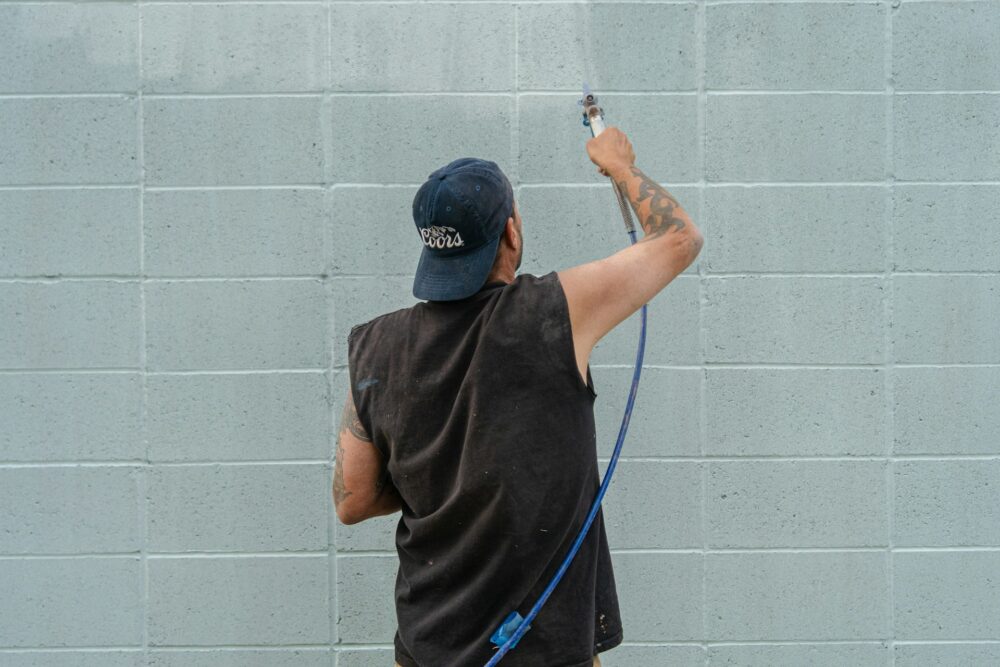
The soft wash solution goes on the walls and sits long enough to break down the growth. Then the whole surface gets rinsed from top to bottom. Rinsing top down keeps dirty runoff from streaking the clean sections below.
Shaded walls with heavy staining get extra treatment time. Sunny walls with light dust move faster.
Once the house is rinsed, the crew gives the landscaping one more rinse and does a final look around. You can walk the house with them and point out any spot you want checked before they leave.
How Long Does a House Wash Take, and What Should You Expect Afterward?
Time on site comes down to your home’s size, its height, and how much growth is on the walls. A single-story home with light dirt moves faster than a two-story stucco home with thick algae on the north side.
Afterward, the house should look clean and even in color, with soffits and gutter faces free of streaks and cobwebs. That fresh look is the boost in curb appeal most people want from professional house washing.
What Affects the Time Needed on Site?
A few clear factors shape how long the crew stays at your home:
- Square footage: more wall means more time.
- Stories: taller homes need more care and reach.
- Buildup level: heavy mold and algae need longer dwell time.
- Shade: damp, shaded walls take more treatment.
- Access: tight side yards, fences, and dense plants slow the work.
- Extra surfaces: adding a driveway or walkway adds time.
Ask for a time window when you book. A crew that has walked your home or seen good photos can give you a solid idea.
Which Stains May Need More Attention or Remain Visible?
Mold, mildew, pollen, and dirt come off well with a soft wash. Some marks are not organic growth, so they behave differently.
Rust from irrigation water, faded paint, and old oxidation on siding are examples. A soft wash cleans the dirt around them, but the mark itself may stay. Rust removal on flatwork depends on how long the stain has been there, and the same holds for many older marks on walls.
A trusted crew will tell you during the walk-around which spots will come clean and which may still show. That honest talk up front helps you plan, whether you are cleaning before a family visit or before listing photos.
Choosing the Right Next Step for Your Home
Maybe your siding looks gray, your soffits are lined with cobwebs, or the north wall has turned green. A soft wash is a practical way to clean and protect your exterior. The process is simple: a free estimate, a walk around your home, a surface-matched cleaning, and a full rinse.
Start with clear photos and a list of what needs cleaning. If you want your driveway done too, you can request a combined estimate for both. Homeowners can read about exterior house washing in Orlando for local details.
Essentials Pressure Washing is a family-run crew that has cleaned Central Florida homes since 2005. Send your address and tell us what needs cleaning through the Essentials Pressure Washing website, or call or text (407) 284-9438. You will get a free estimate with no obligation, and you may receive a same-day callback.
Frequently Asked Questions
How Much Does It Cost to Have a House Exterior Washed?
The price depends on your home’s size, number of stories, siding type, and how much mold and mildew is on the walls. A larger home with heavy algae costs more than a smaller home with light dirt. The actual price comes from an estimate for your property. If you want your driveway cleaned too, you can ask for a combined estimate.
Do I Need to Do Anything Before a House Washing Appointment?
Close all windows and doors, and move patio furniture, grills, and potted plants away from the walls. Point out any known damage, like cracked stucco or a loose panel. The crew handles the landscaping rinse and checks for areas that must stay dry.
Will a Soft Wash Harm My Plants?
A careful crew protects your plants by wetting them down before the wash and rinsing them again after. That way nothing sits in cleaning solution. Beds right against the walls get extra attention during both rinses.
Does House Washing Include Window Washing?
A house wash covers siding, soffits, fascia, gutter faces, and trim, and window glass is not on that list. If you want the glass cleaned, mention it when you request your quote. That keeps the scope clear before the crew arrives.
How Often Should I Wash My House in Central Florida?
Most homes in the Orlando area need a wash about once a year. Heavily shaded houses and homes with damp north-facing walls can need it sooner. Many homeowners pair the house wash with driveway cleaning to keep the whole property looking cared for.