
Mildew on House Exterior: Why It Returns and How to Slow Regrowth in Florida
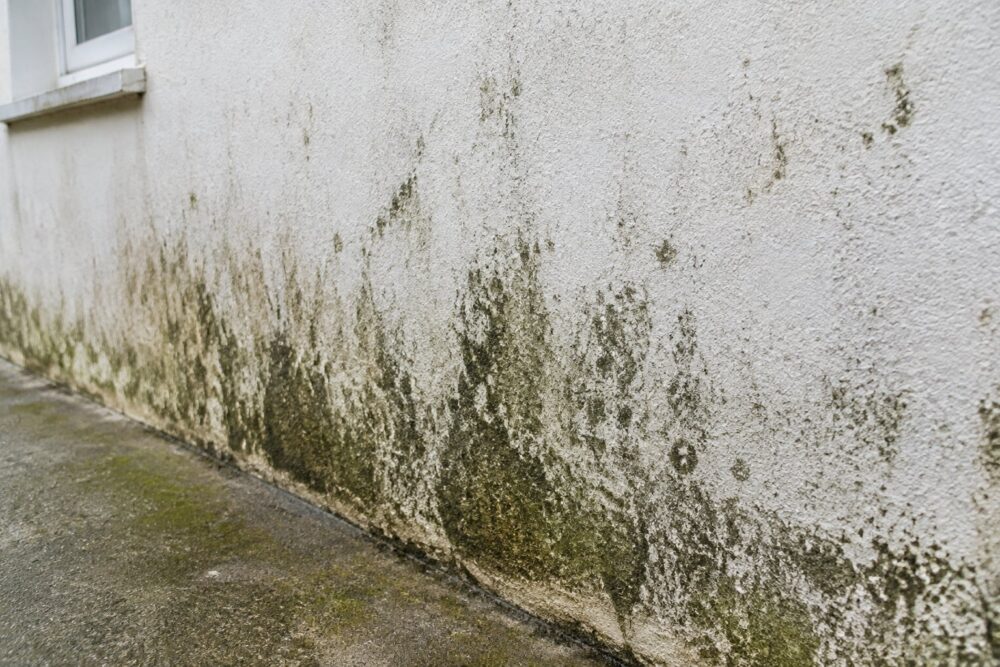
Your stucco looked bright white after the last cleaning. Now, a year later, there’s a gray film under the eaves and green streaks on the north wall again. Mildew on house exterior surfaces keeps returning in Central Florida because the walls stay damp, shaded, and coated with a thin layer of dirt that mold spores feed on. Cleaning removes the growth, but the conditions that fed it are still there.
Orlando, Clermont, and Minneola homes deal with high humidity almost all year. Summer storms add daily rain, and morning dew can sit on shaded siding until noon. Lawn sprinklers, overflowing gutters, and thick shrubs against the walls keep some spots wet even longer. Essentials Pressure Washing has cleaned homes in these areas since 2005.
In this guide, you’ll learn why growth comes back and where it collects first. You’ll also see how to tell mildew from mold or algae and which habits slow regrowth after a cleaning. By the end, you’ll know when a wash is enough and when a wall is telling you about a moisture problem.
Why Does Mildew on House Exterior Walls Keep Returning?
Mildew returns because spores are always in the air, and they start a new colony on any surface that stays wet long enough. A cleaning removes the colony you can see. It does nothing about the next batch of spores landing on a damp wall the following week.
Mold and mildew growth needs three things: moisture, food, and a place to settle. The Florida Department of Health lists outdoor sprinkler spray hitting walls as one common moisture source. Pollen, dust, and spider webs on siding give spores plenty to eat.
How Do Humidity, Shade, and Rain Keep Surfaces Damp?
Central Florida air holds a lot of water, so walls dry slowly after rain or dew. On a sunny south wall, that moisture burns off by midmorning. On a north wall under an oak, the surface can stay damp most of the day.
Shade is the biggest factor you can see from the driveway. Sunlight dries the surface and slows growth, so shaded walls give mildew more hours each day to spread. Summer brings afternoon storms that rewet walls before they fully dry from the day before.
Rain also splashes soil and mulch onto the bottom of the wall. That leaves a band of dirt along the base of the siding. The dirt holds moisture and feeds growth right where sprinklers hit.
Where Does Buildup Concentrate on Siding and Soffits?
Growth almost always shows up in the same places on a Central Florida home. Walk your house and check these spots first:
- Soffits and the underside of eaves: shaded, sheltered from rinsing rain, and slow to dry.
- North-facing walls: they get the least direct sun all year.
- Below gutters and downspouts: overflow and drips keep a strip of wall wet.
- Behind shrubs and hedges: leaves block airflow and trap humidity against the siding.
- The bottom 2 feet of walls: sprinkler spray and splashed soil land here.
- Under window sills and AC units: water collects and runs down in streaks.
Once you know where growth gathers, the next question is what the stain is. Not every dark patch is mildew.
Is the Stain Mildew, Mold, or Algae?
Many exterior stains in Central Florida are a mix of mildew, mold, and algae growing together. Appearance can suggest a cause, but it isn’t a reliable diagnosis. The CDC notes that mold color does not show whether one type is more harmful than another.
What Can White, Black, and Green Patches Tell You?
Here is a plain guide to what a stain may suggest:
- White or light gray powder: can suggest mildew, especially when it sits on the surface and wipes off easily.
- Black or dark gray spots: can suggest mold, especially fuzzy or speckled clusters on soffits and shaded trim.
- Green film or streaks: often points to algae on north walls, stucco, and lower siding where water runs or splashes.
- Brown or orange streaks: often irrigation rust from well water, a mineral stain rather than growth.
Appearance alone can’t confirm what a stain is.
On older stucco and painted block, you’ll often see gray mildew with green algae mixed in. Treat them as one problem. All of them come from the same thing: a wall that stays wet.
When Might a Stain Point to a Moisture Problem?
A stain points to a moisture problem when it comes back in the same exact spot every time. Mildew spread evenly across a shaded wall is a climate issue. A tight patch under one window or one gutter corner usually means water is coming from one source.
Watch for stains that grow faster than the rest of the wall. Also watch for staining paired with bubbling paint or a musty smell near that spot. Those signs mean water may be getting behind the surface, which is a different problem from surface growth.
Knowing the source helps you decide what to change around the house. That’s where slowing regrowth starts.
What Helps Slow Regrowth After Cleaning?
The best way to slow regrowth is to help your walls dry faster. You can’t change Florida humidity, but you can cut down on the extra water and shade that keep siding wet. These steps work on stucco, vinyl siding, and wood siding alike.
Keep Sprinklers, Gutters, and Downspouts from Wetting Walls
Sprinklers are the most common cause of growth along the bottom of Central Florida homes. Turn on each zone and watch where the water lands. Adjust heads so they spray toward the lawn, and water early in the morning so the sun can dry any overspray.
The EPA lists gutters and downspouts that direct water toward a building as a common moisture problem. Clean gutters before summer storms and again after oak pollen and leaf drop. Make sure downspouts end in an extension or splash block that sends water at least a few feet from the wall.
If you have well water, check for orange streaks. Those rust stains are separate from mildew, but they tell you exactly where the spray is hitting.
Trim Plants That Shade Siding and Block Airflow
Shrubs pressed against the house keep the wall behind them damp almost all the time. Trim hedges so there’s at least 12 to 18 inches between the leaves and the siding. That gap lets air move and gives you room to check the wall.
Overhanging tree limbs shade roofs and walls and drop leaves into gutters. Cutting back a few low branches can add hours of sun to a north wall. Keep mulch pulled a few inches away from the foundation so it doesn’t hold water against the base of the wall.
Check Shaded Walls Before Stains Spread
Light mildew is easier to deal with than a wall covered in dark growth. Walk around your house every couple of months and look at the soffits, the north side, and behind plants. A hose rinse on light dust and pollen keeps the food supply down. For timing, see how often to wash your house.
Wood siding needs extra attention. Growth on wood holds moisture against the boards and can lead to rot if left alone. Vinyl siding won’t rot, but mildew will stain it and dull the color over time.
When growth does build back up, the way you clean it affects how fast it returns.
How Should Exterior Surfaces Be Cleaned?
Exterior surfaces should be cleaned with a method matched to the material. Siding and stucco need a low-pressure soft wash, and concrete driveways can take more pressure. Using the wrong method can damage the surface and give mildew more places to grab onto.
Choose a Cleaning Method That Fits the Surface
Soft washing uses low water pressure with a cleaning solution that breaks down growth. Results depend on the surface, the growth, and the cleaning method. It fits siding, stucco, brick, and painted block because it cleans without forcing water into seams or chipping paint. On stucco, high pressure can etch the finish, and those rough spots hold dirt and spores later. For stucco, see how to remove mold from stucco.
Pressure washing at the right setting fits concrete driveways and walkways. Concrete is hard enough to handle the force, and pressure clears algae from the pores. Pavers need a lower setting so the joint sand stays in place.
Many people search for how to clean vinyl siding and reach for a pressure washer. High pressure can push water behind the panels, where it gets trapped and feeds growth inside the wall. To clean vinyl siding safely, keep pressure low and let the solution do the work. A garden hose is enough for rinsing.
The CDC warns that a pressure washer’s spray can cause serious wounds that look minor at first. Ladders add to the risk on two-story homes, which is one reason many people hire out the high walls and soffits.
What Should You Know About Exterior Cleaning Solutions?
The cleaning solution matters as much as the pressure. Here’s how common options compare:
- Chlorine bleach products: can work on mildew and algae. Follow the label, and rinse plants before and after.
- Oxygen bleach products: a common choice for lighter growth. Follow the label.
- Vinegar: results vary, and it is weaker on established growth.
- Soap and water: removes dirt and pollen but doesn’t treat the growth itself.
Whatever you use, follow the product label and never mix cleaning products. The CDC warns to never mix bleach with ammonia or other cleaners. Wear gloves and eye protection. If you’re working out how to remove mold on the outside of a house, test any product on a small hidden spot first.
Even a good cleaning won’t hold if water keeps reaching the wall. Some stains are a sign of something deeper.
When Does Recurring Staining Need More Than Cleaning?
Recurring stains need more than cleaning when the surface itself is damaged or water is getting into the wall. In those cases, washing removes the stain, but growth will return quickly until the damage is fixed.
Watch for Soft Wood, Peeling Paint, and Persistent Dampness
Press a screwdriver lightly into wood trim, fascia, and siding near stained areas. If it sinks in easily, the wood is softening and may be rotting. Washing a rotten board won’t fix it, and pressure can tear it apart.
Peeling or bubbling paint on stucco or block often means moisture is pushing out from behind. Cracks in stucco let rain in, and the wall stays damp from the inside. A spot that stays wet days after rain is another warning sign.
These signs call for a repair before the next wash. A carpenter, painter, or stucco contractor can tell you what the surface needs.
Address Water Intrusion Before Washing Again
Fix the water source first, then clean. Common culprits on Central Florida homes include:
- Gutters that overflow at the corners or pull away from the fascia
- Gaps around windows and doors that let rain run behind siding
- AC condensate lines draining against the wall
- Ground that slopes toward the house instead of away from it
- Sprinkler heads that hit the same wall section every day
Once the source is fixed and the wall has dried, a cleaning can last longer.
Keeping Exterior Walls Cleaner for Longer
Mildew comes back because Central Florida walls stay wet and shaded, and spores are always in the air. You can slow it down by keeping sprinklers and gutter water off the walls, trimming plants back, and checking shaded spots before stains spread. When it’s time to clean, use a soft wash on siding and stucco and save higher pressure for concrete.
Essentials Pressure Washing has cleaned homes across Central Florida since 2005, and the crew focuses on two things: house washing and driveway cleaning. You can see the full list of exterior cleaning services.
Send your address and what needs cleaning, or call or text (407) 284-9438 for a free estimate with no obligation. You may get a same-day callback.
Frequently Asked Questions
Is Mildew on the Outside of a House Dangerous?
Exterior mildew is mostly a cosmetic and maintenance problem for most people. People with mold allergies or asthma may react to spores, so they should avoid scrubbing heavy growth themselves. Left alone, growth can also damage wood and paint over time.
Does Black Staining on Siding Always Mean Mold?
No, black staining can also be dirt, soot, or a mix of mold and algae. Speckled or fuzzy spots in shaded areas can suggest mold, but appearance alone isn’t a reliable diagnosis. If the stain wipes off as plain grime, it may be dirt.
Is Bleach or Vinegar Better for Exterior Mildew?
It depends on the surface and the growth. Follow the product label for whatever you choose, and test a hidden spot first. Protect plants, and never mix bleach with vinegar or other cleaners.
How Often Should a House Exterior Be Cleaned in Central Florida?
Most Central Florida homes need a house wash about once a year. Heavily shaded homes, or those near lakes and thick trees, may need cleaning more often. Checking your north walls and soffits every few months tells you when it’s time.
Can Pressure Washing Damage Siding While Removing Mildew?
Yes, high pressure can crack vinyl, etch stucco, strip paint, and force water behind panels. A low-pressure soft wash cleans siding without that risk. Higher pressure is better kept for hard surfaces like concrete driveways.